Main
News
Life with a Transplanted Heart

Life with a Transplanted Heart


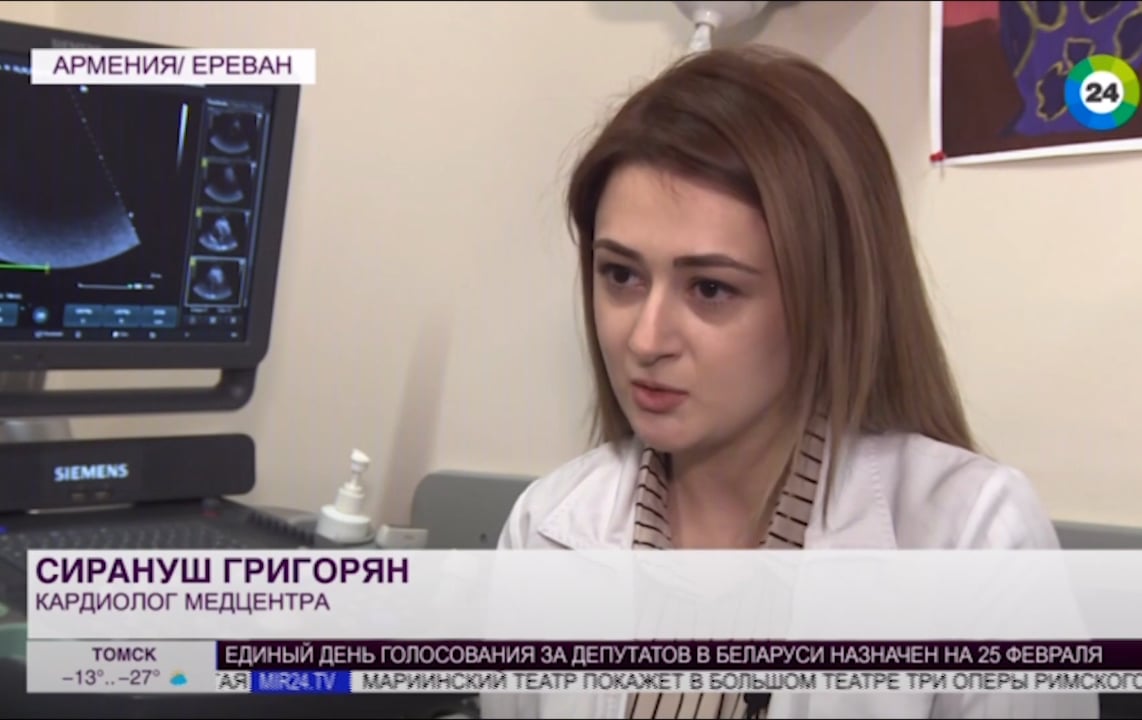
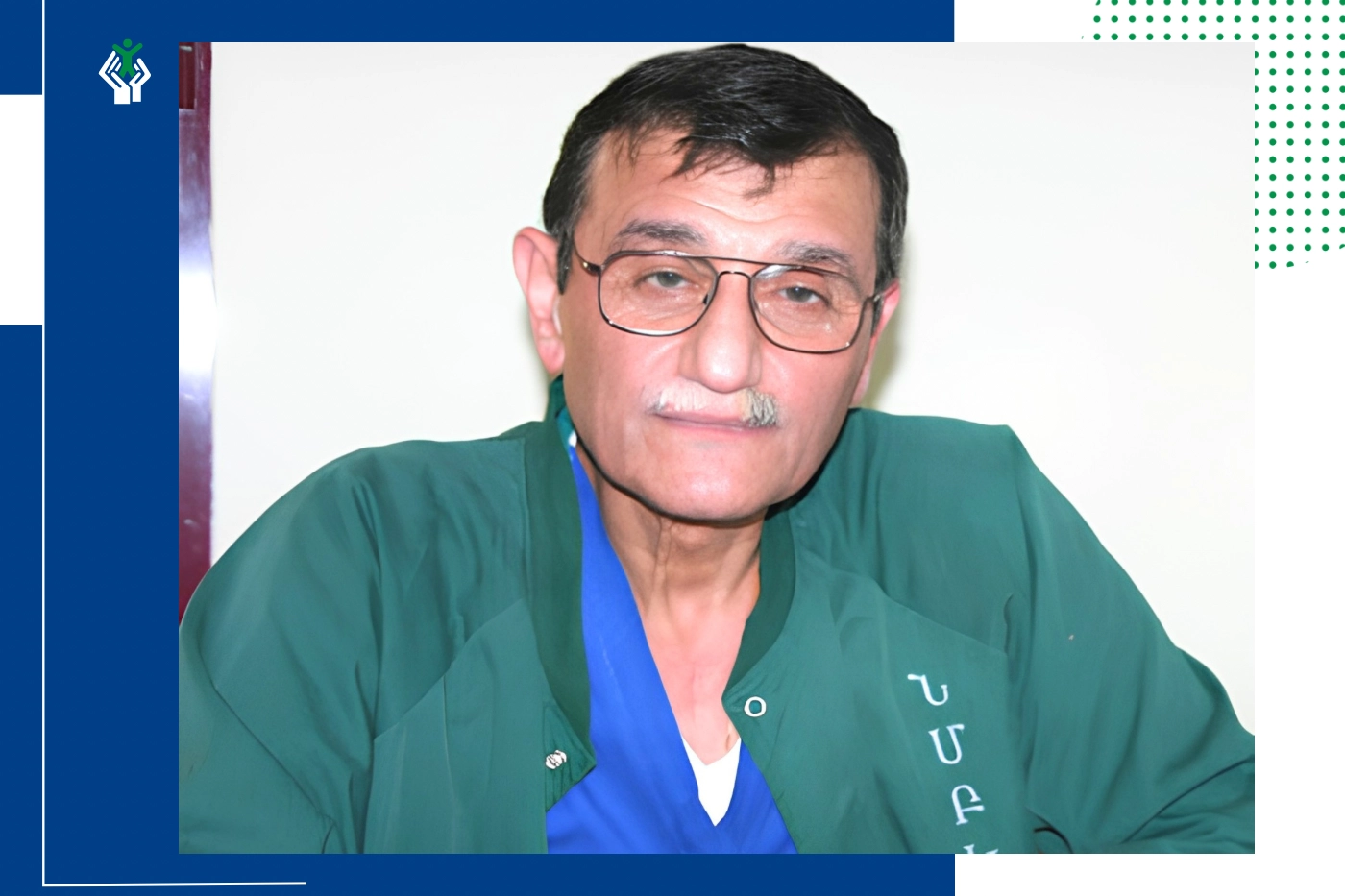
The “24” news program of “Mir” TV company recently covered the topic of organ transplantation, highlighting the case of Yeghishe Khachatryan, who underwent a heart transplant. Yeghishe received his transplant surgery in Minsk and is currently receiving follow-up care at the “Follow-up Care Department for Organ Transplanted Patients” at “Arabkir” medical center. Reflecting on his experience, Yeghishe shares, “Thirteen years ago, I was given a second chance at life. The heart transplant was a turning point for me.”


After undergoing laboratory tests, a visit to the cardiologist, discussions about self-awareness, ultrasound of the heart, ECG, and other procedures every three months are part of Yeghishe Khachatryan’s routine. He holds a unique status as the sole individual in Armenia who has undergone a heart transplant.


Cardiologist Siranush Grigoryan remarks, “Yeghishe's condition remains stable. He diligently adheres to his appointments, medication regimen, and follows all medical advice. He maintains a healthy lifestyle, abstaining from harmful habits. It's essential for him to consume foods that promote lower cholesterol levels, engage in regular outdoor walks, and maintain physical activity."


In 2004, Yeghishe Khachatryan began experiencing symptoms such as chest pain, weakness, and shortness of breath, leading to a diagnosis of a heart attack. The second incident occurred 4 years later, but despite treatment in cardiology hospitals, his condition did not improve. After numerous consultations with medical professionals, it became evident that his heart and blood vessels were extensively damaged, rendering procedures such as stenting or shunting ineffective. The only viable solution was a heart transplant, a procedure not available in Armenia. 


Reflecting on his journey, Yeghishe recalls, “By 2012, I was reliant on an oxygen machine for breathing. My brother accompanied me to Novosibirsk, where consultations confirmed that a transplant was my only hope. We were directed to a hospital in Minsk, where I was placed on the transplant waiting list. Within 15-20 days, a donor match was found - a thirty-year-old young man who tragically lost his life in a car accident.”


The procedure was conducted by the renowned cardiac surgeon, Doctor of Medical Sciences, Professor Yuri Ostrovsky. By that time, approximately 100 heart transplants had already been performed at the Minsk Cardiology Center.


Reflecting on the procedure, Professor Ostrovsky states, “The technology was well-developed, and we had accumulated significant experience. The decision to proceed with the transplant was based on the patient's condition. However, selecting a suitable donor-transplant match always presents challenges. Factors such as weight, height, blood type, and compatibility tests, including Cross Match, are considered. We ensured that all criteria were met before proceeding with the transplant.


The total cost of the surgery, tests and medications amounted to $55,000, which was covered by contributions from Yeghishe's brother and friends.


Expressing his gratitude, Yeghishe remarks, “Of course, I remember Yuri Petrovich. He is a kind person. I am thankful to him, the entire medical team, our doctors who continue to monitor my health, my brother, and to all those who helped. Having experienced this journey, I urge my fellow citizens to reconsider their views on organ donation. By consenting to organ donation from deceased relatives, many lives can be saved.”


In Armenia, only kidneys, liver, corneas are currently eligible for transplantation, with donors limited to close relatives. According to the Organ and Tissue Transplantation Act, individuals can be considered potential donors after death if their family members consent to organ retrieval. However, as of yet, there have been no instances of post-mortem organ donation. To address this, the Ministry of Health is working on changing the law to allow organs to be donated after someone passes away and to create a list of people waiting for transplants.


Elen Nazaryan, head of the Hemodialysis Department at the “Arabkir” Medical Center, underscores the significance of these proposed changes, stating, "Reforming the law would enable the establishment of a repository of posthumous donor organs, facilitating heart, lung, pancreas, and additional kidney transplants.
 

Currently, Armenia accommodates 1,100 dialysis patients, including 400 awaiting kidney transplants. The full implementation of a transplant recipient registry hinges on the integration of all major medical centers into the electronic healthcare system.


Experts contend that the adoption of posthumous donation protocols would significantly enhance the prospects of saving lives. Later in the evening, Yeghishe Khachatryan will gather with his family to commemorate his "second birthday" and express gratitude to those who bestowed upon him a renewed lease on life. 
Last news
A step towards a new quality of medical care: The progress of the ESPAGHAN «Health Care Transition» Campaign in Gastroenterology
09 April
Ensuring continuity of medical care, especially for children with chronic diseases after the age of 18y.o., is one of the important challenges of healthcare. The work carried out in this direction in the field of gastroenterology in Armenia is ongoing, due to the joining of the Pediatric Gastroenterology service of «Arabkir» MC - ICAH to the «Health Care Transition» Campaign launched by ESPAGHAN (European Society of Pediatric Gastroenterology, Hepatology and Nutrition) since October 2025. Let us recall that in October 2025, the Pediatric Gastroenterology Section was established under the Armenian Pediatric Association, which unites 17 pediatric gastroenterologists, endoscopists and hepatologists of the republic. In December 2025, the Pediatric Gastroenterology Section of the Armenian Pediatric Association organized the first meeting of gastroenterologists from the four pediatric and five adult tertiary care Medical Centers at the «Arabkir» MC - ICAH, during which the professional resources of the ESPGHAN above-mentioned campaign, translated into Armenian, were presented, discussed, and disseminated. The «Health Care Transition» Campaign launched by ESPGHAN continued in February and March of 2026. One of the key achievements of the Campaign is the cooperation that has begun between pediatric and adult gastroenterologists. In February and March, the presentations, discussions, and dissemination of ESPGHAN resources (in printed and electronic versions) continued in the gastroenterology departments of various medical centers and clinics in Yerevan, involving a wider professional network (about 55 people).Currently, the Campaign in Armenia faces certain objective difficulties, as the dispensary (follow-up) care / medical supervision of adult patients with chronic gatroenterological and hepatological diseases still needs to be regulated. The activity, interest and numerous positive responses and feedback from doctors prove that the «Health Care Transition» Campaign in Armenia is relevant and needs further development.
Yerevan to Host a Conference on Clinical Neurology
08 April
The 4th Annual Conference on Clinical Neurology, named after Edgar Hovsepyan, will bring together neurologists, neurosurgeons, and leading specialists in the fields of anesthesiology and radiology from different countries in Yerevan, Armenia. A number of important topics will be discussed during the conference, including: Modern approaches to the treatment of Epilepsy Clinical and diagnostic perspectives The role of Electroencephalography in the diagnosis of epilepsy Therapeutic advances Challenges in identifying epileptic foci in the preoperative period Determining the appropriate time to discontinue drug therapy in the postoperative periodAdditional issues related to the conference topic will also be addressed.CME credits will be awarded to participants. The participation fee is 25,000 AMD. Registration will open soon. The conference will take place on May 21–22, 2026, from 08:30 to 18:00, in the “Tushpa” Hall of the Holiday Inn Yerevan - Republic Square. Arabkir Medical Center — A Reliable Partner in Health
April 7 Is World Health Day
07 April
World Health Day is dedicated to raising awareness of the most important global health issues and uniting efforts to address them. In 2026, the day is marked under the theme: “Together for health. Stand with science”. On April 7, 1948, the World Health Organization (WHO) was founded. Two years later, in 1950, April 7 was officially declared World Health Day in honor of the establishment of the WHO. It should be noted that Armenia has been a member of the WHO since 1994. In 2024, Arabkir Medical Center – Institute of Child and Adolescent Health was granted the status of a WHO Collaborating Centre. This status is mainly awarded to research institutes, universities, and academic departments that work with the WHO in various areas of the health sector. Arabkir Medical Center: A Reliable Partner in Health
International Conference on Neuromuscular Diseases Held in Tbilisi
03 April
An international conference dedicated to neuromuscular diseases was held in Tbilisi. The conference addressed approaches to the management of patients with Duchenne muscular dystrophy and Spinal muscular atrophy, as well as modern treatment options. Neurologists from Armenia, Serbia, Bulgaria, Lithuania, Romania, Kazakhstan, and Russia participated in the conference. Biayna Sukhudyan, Head of the Neurology and Epileptology Service at Arabkir Medical Center, delivered a presentation on the genetic basis and mechanisms underlying spinal muscular atrophy. International exchange of experience and professional cooperation are of great importance for the development of the field and for improving the effectiveness of treatment. Arabkir Medical Center – A Reliable Partner in Health
Pneumonia Is a Common Diagnosis in Childhood
01 April
Meri Marandyan, pediatrician at Arabkir Medical Center, spoke about the causes, types, symptoms, and other aspects of pneumonia during the "Eghir Aroghj (Be Healthy)" project of the Public TV company of Armenia.Arabkir Medical Center: A Reliable Partner in Health
Information on Universal Health Insurance
01 April
Since January 1, 2026, more than 1.5 million people have become beneficiaries of universal health insurance. With the introduction of the new system, many citizens contact us with questions. Frequently asked questions are answered by Sona Hovhannisyan, Head of the Economic Service at Arabkir Medical Center.Can we receive medical care at Arabkir Medical Center within the framework of universal health insurance? Yes, you can. Arabkir Medical Center provides insured persons with both hospital services—including planned and emergency medical care and treatment, surgeries—as well as outpatient services, such as specialized consultations and laboratory and instrumental examinations. Where should I apply first to receive medical care within the framework of the program? The procedure is as follows: To receive services on a planned basis, it is necessary to apply to a primary health care unit (polyclinic) and obtain an appropriate referral. After that, the patient should visit the medical center in order to receive the service specified in the referral. In emergency cases, patients should apply directly to the hospital. Does the insurance program cover children? Yes. Universal health insurance covers RA citizens and residents in the following groups: Children under 18 years of age Persons aged 18–23 who have been left without parental care Persons under 26 years of age studying in full-time programs who have been left without parental care What should be done if the status of a universal health insurance beneficiary is not reflected in the ArMed system due to the absence of RA citizenship data? In such cases, it is recommended to contact the Universal Health Insurance Fund by calling the short number 8866 or by sending an email to [email protected]. The request should include the applicant’s signature and ID document, as well as the name, surname, patronymic, and date of birth. What specialized consultations are available within the framework of universal health insurance? Within the framework of universal health insurance, the following specialized consultations are available (for both children and adults): Neurologist Neurosurgeon, Allergist, Gastroenterologist, Rheumatologist, Orthopedist, Nephrologist, Urologist, General surgeon, Ophthalmologist, General Practitioner, Dermatologist Gynecologist, ENT specialist Pulmonologist Does the insurance also apply to children under dispensary supervision? Yes. Professional consultations, as well as the necessary laboratory and instrumental examinations provided to children under dispensary supervision, are also available within the framework of universal health insurance.