 English
 Հայերեն
 Русский
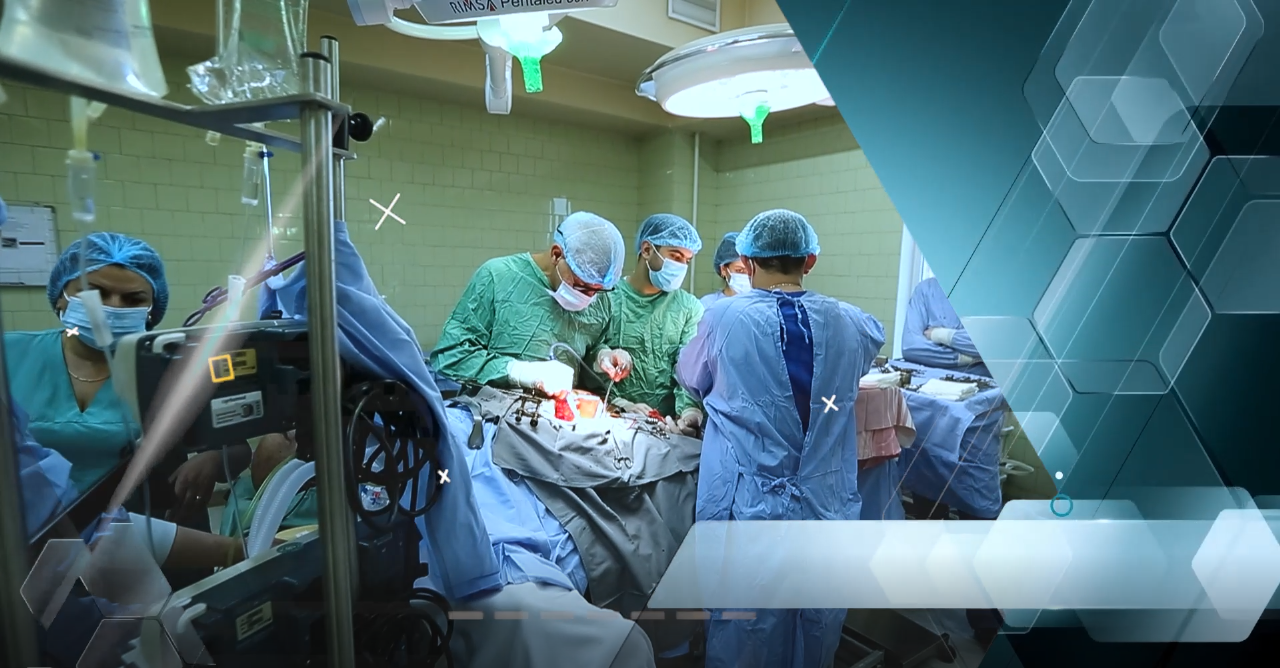
The 200th kidney transplant was performed in “Arabkir” MC: 200 saved lives with the efforts and devotion of donors and doctors.
The first kidney transplant here was performed in May, 1991. The idea of the program came to professor Ara Babloyan after the earthquake, when many people, including children, who were left under the ruins, needed hemodialysis. However, hemodialysis could not be the final solution to that problem, especially in children; it affects the quality of life. Transplantation is considered a much more effective and guaranteed approach.
The kidney transplant is performed by a multidisciplinary team. First, after discussing and taking into consideration medical, psychological and other aspects, the patient - donor pair is chosen, then the actual operation takes place. Surgeons work in two operating rooms in parallel. In the first operating room they take the organ from the donor, and in the second one they place it in the recipient՚s body. Then post-operative care and follow-up care of recipients starts. By the way, the Recipient՚s follow-up care department in “Arabkir” MC is the only one in Armenia. Currently, 180 patients are registered here, most of them - 163, with transplanted kidney, 16 with transplanted liver and one with transplanted heart.
The video provides additional information about kidney transplant: patients tell about preoperative, surgical and postoperative periods, mentioning that the most important things in this difficult path are trusting in their doctors and the will to solve the problem together.
About health
The 200th Kidney Transplant25 May 22
Last news
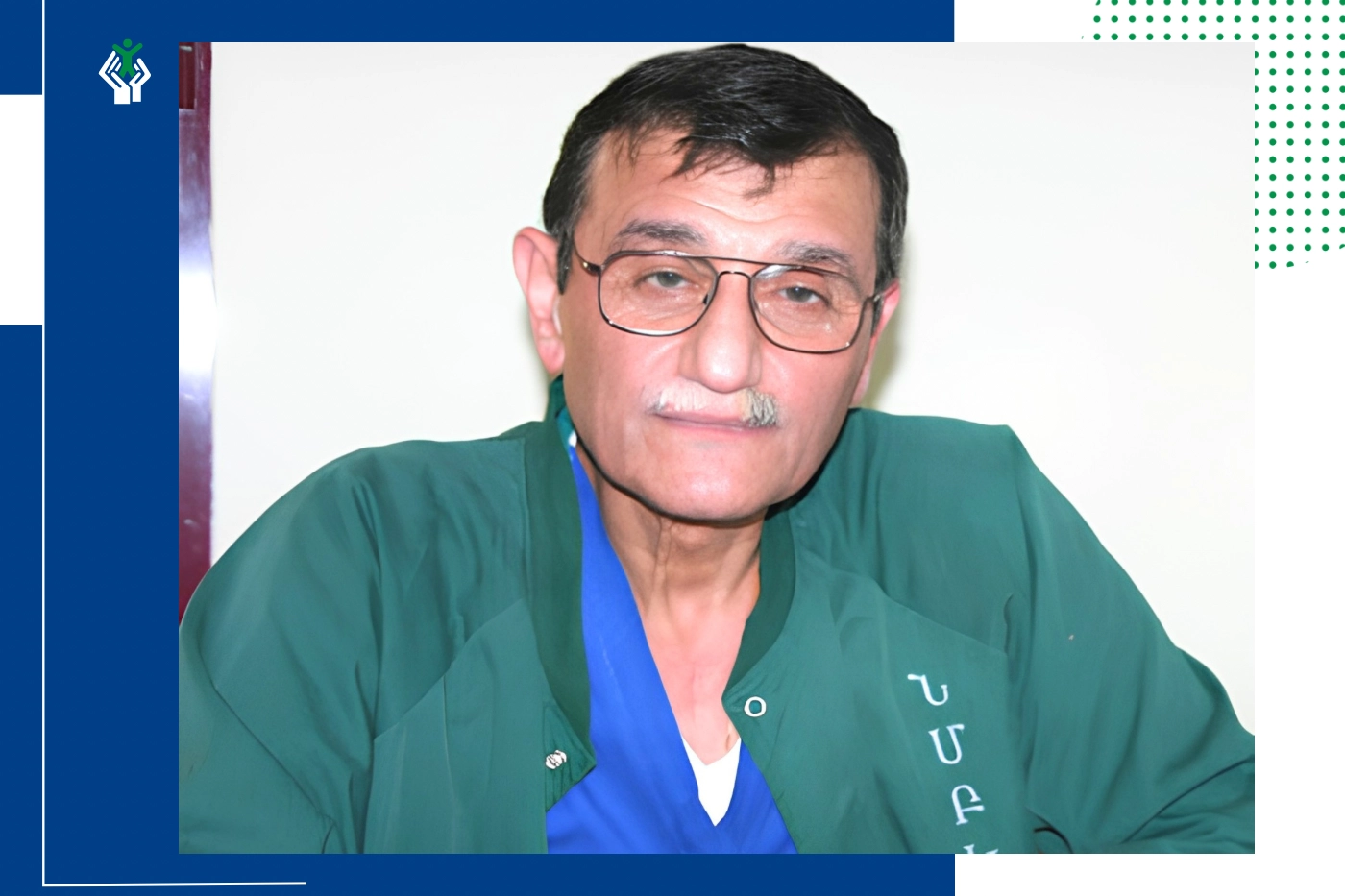
Today Is the Birthday of Renowned Physician, Cardiac Surgeon, and National Hero of the Republic of Armenia Hrayr Hovakimyan
13 May
Dear Hrayr,
I warmly congratulate you on your birthday. I wish you good health, inexhaustible energy, and new achievements in your responsible and patriotic mission.
Be healthy and continue to use your accumulated knowledge and experience for the benefit of people’s health and the development of medicine. You are one of those exceptional individuals who came to Armenia during its most difficult years and devoted your experience and professional skills to the homeland and the development of the healthcare sector. It was during those years that the foundation of our strong partnership and warm friendship was laid — a relationship that, I am proud to note, has continued for 33 years.
I wish you and your family peace, prosperity, and many happy and bright days.
Sincerely,
Ara Babloyan
Chairman of the Board of Directors and Scientific Director of Arabkir Medical Center
International Nurses Day
12 May
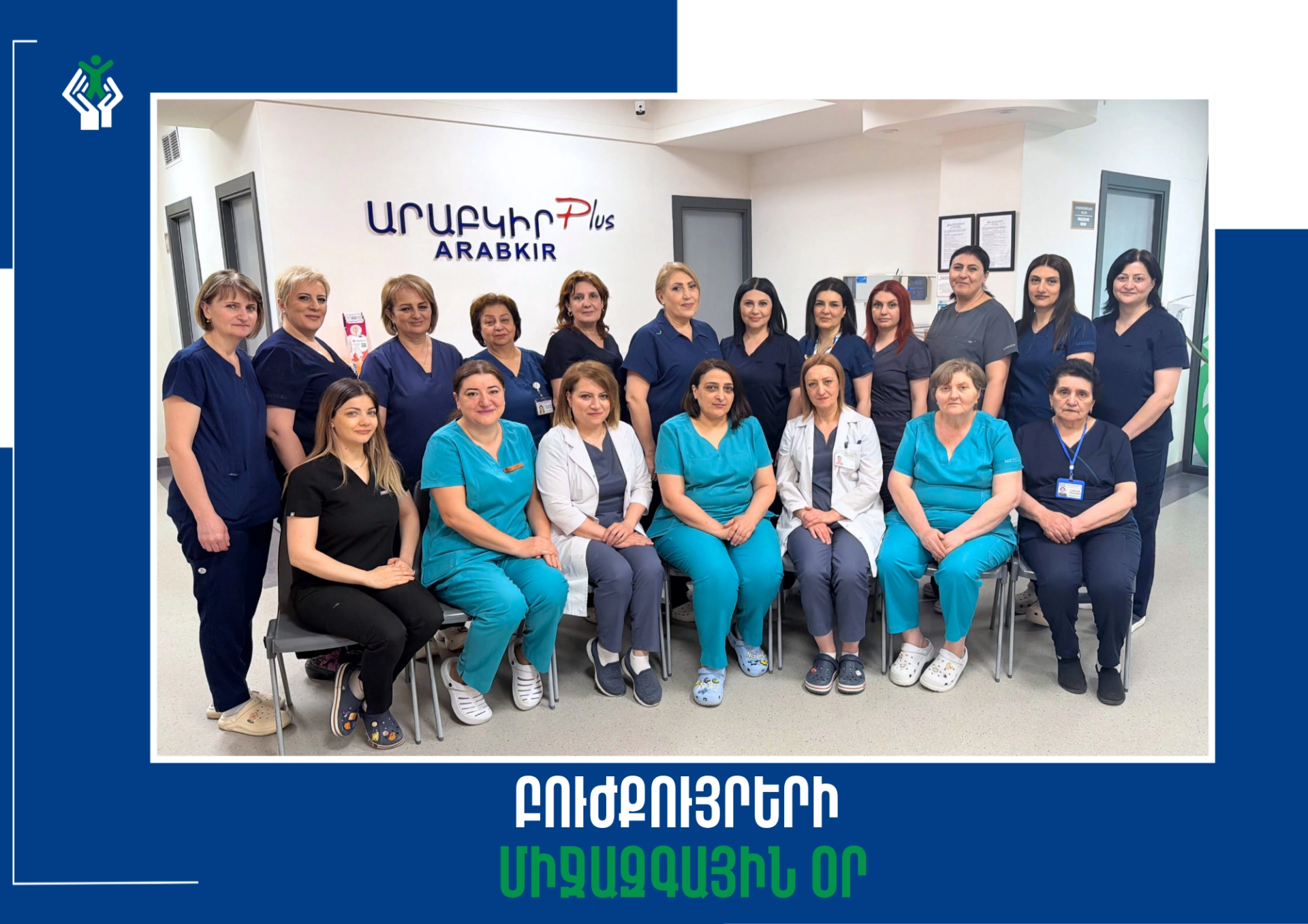
Today is International Nurses Day.
The professional work of nurses is one of the most important pillars of healthcare.
We congratulate all nurses on their professional day, wishing them good health, professional success, and peaceful working days. Thank you for your important and responsible work.
“Arabkir” Medical Center — A Reliable Partner in Health
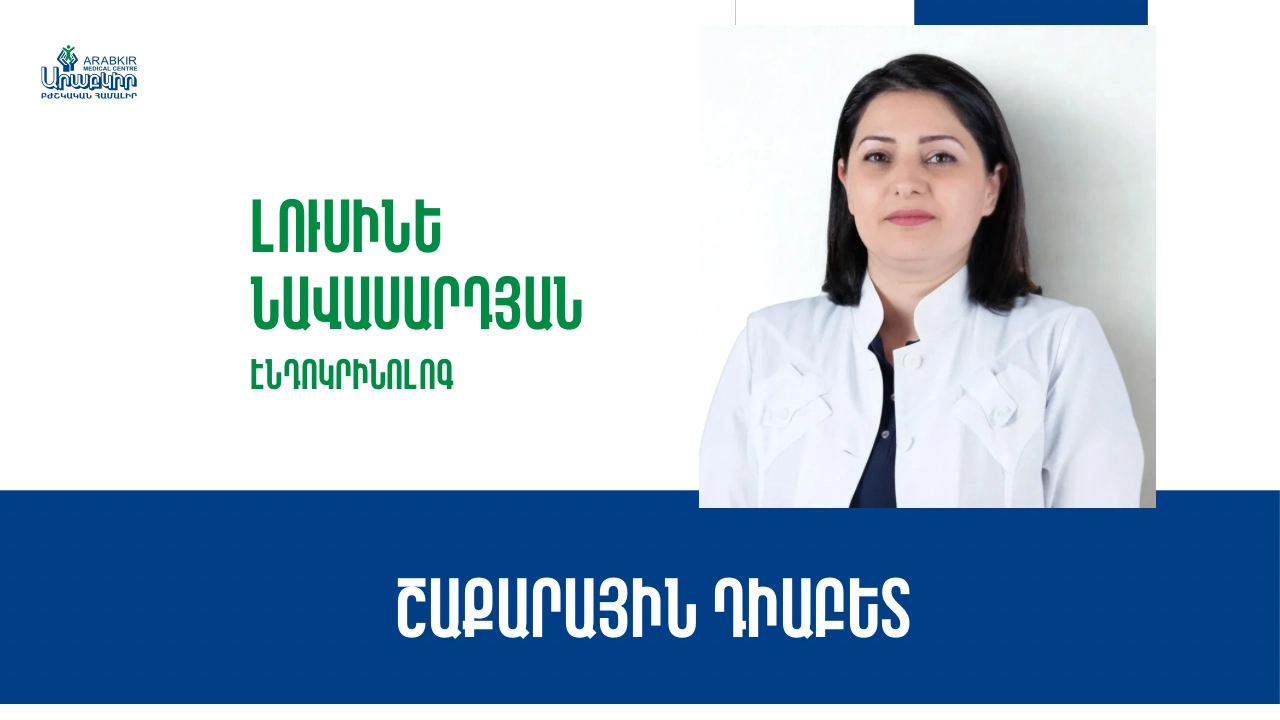
How to Correctly Analyze Data Recorded by a Continuous Glucose Monitoring System
11 May
How should data recorded by a Continuous glucose monitoring system be analyzed correctly? Is there a need to adjust the child’s insulin dose?
Lusine Navasardyan, endocrinologist at Arabkir Medical Center, answers questions that concern parents. “Arabkir” Medical Center — A Reliable Partner in Health
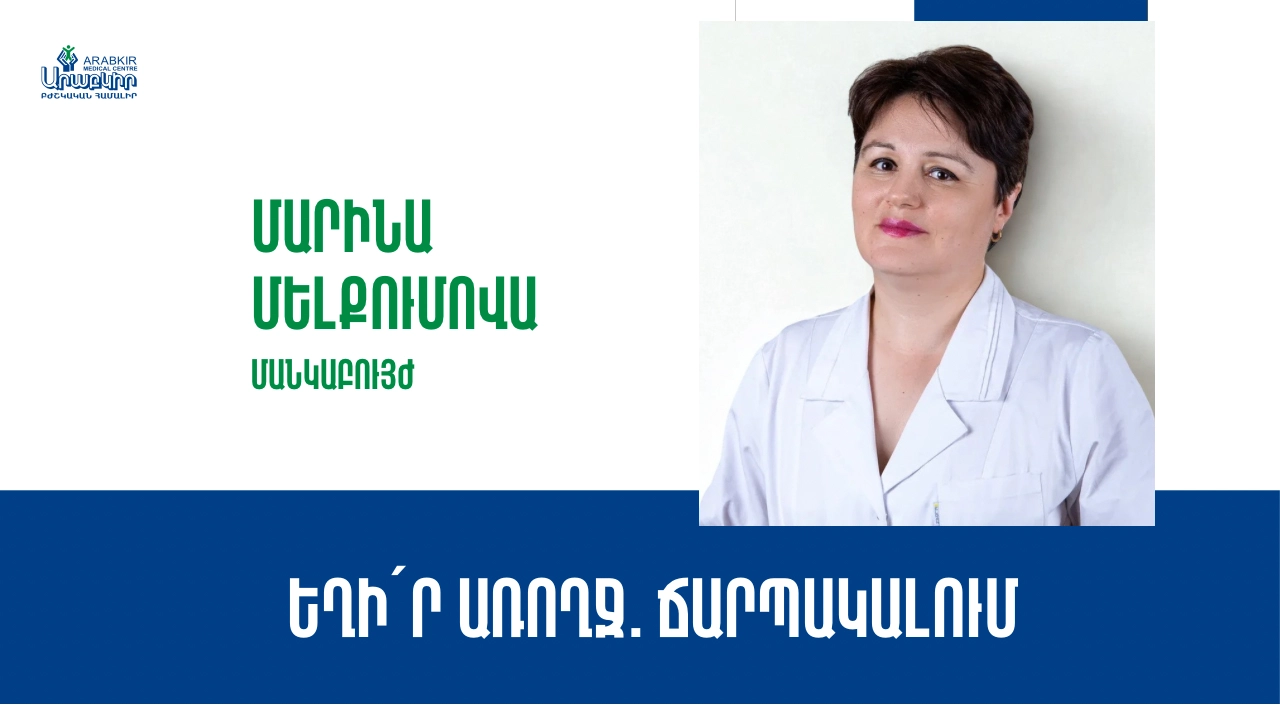
Adolescent Obesity: When Should You Be Concerned?
07 May
The guest of the “Be Healthy” project is Marina Melkumova, pediatrician and coordinator of the Weight Control Service for School-Age Children and Adolescents at Arabkir MC-ICAH.
“Arabkir” Medical Center — A Reliable Partner in Health
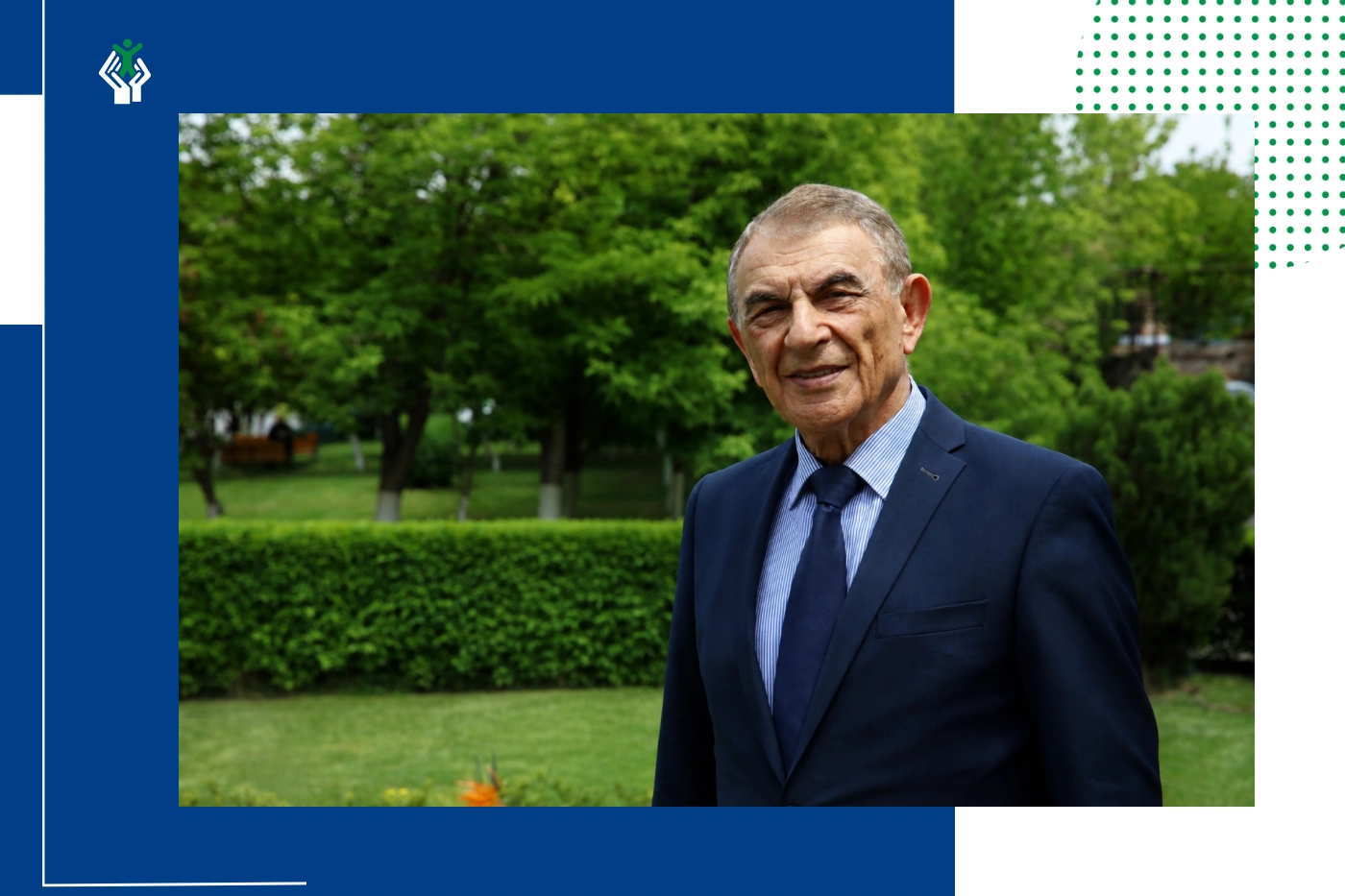
Today Is Ara Babloyan’s Birthday
05 May
Today, Ara Babloyan, Chairman of the Board of Directors and Scientific Director of Arabkir Medical Center, professor and devoted physician, celebrates his birthday.Dear Mr. Babloyan,We warmly congratulate you. Your scientific intellect, professional experience, and human dedication have for many years served the development of healthcare, the advancement of medical science, and the well-being of society.May your rich knowledge, extensive experience, and dedication continue to illuminate the path of medicine, contributing to new achievements, initiatives, and the further development of the healthcare system.We wish you good health, inexhaustible energy, many years of fruitful activity, and new successes in your valuable and responsible mission. “Arabkir” Medical Center — A Reliable Partner in Health
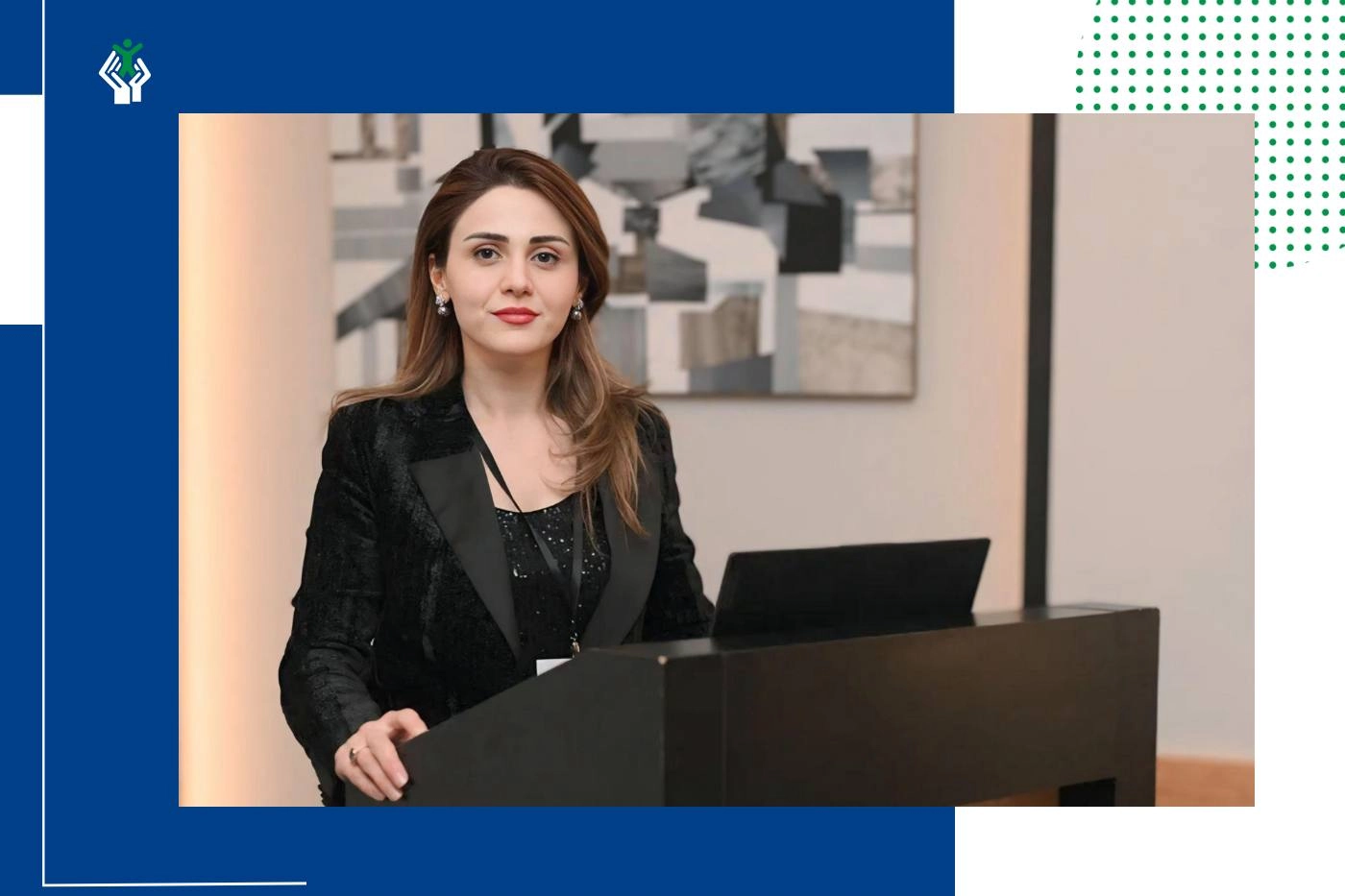
The Third French–Armenian Conference Took Place
04 May
Marine Grigoryan, Head of the Diagnostic Imaging Service at Arabkir Medical Center, addressed the topic of aortic arch anomalies, a diagnosis more commonly found in children, during a conference dedicated to pediatric and thoracic radiology. She presented modern diagnostic approaches, clinical features, and cases encountered in the practice of Arabkir Medical Center.
On the initiative of the Armenian Association of Radiologists, the third French–Armenian conference was held in Gyumri on May 1–2, 2026, bringing together radiologists from France and various medical institutions in Armenia.
“Arabkir” Medical Center — A Reliable Partner in Health