Main
News
For Children՚s Health

For Children՚s Health

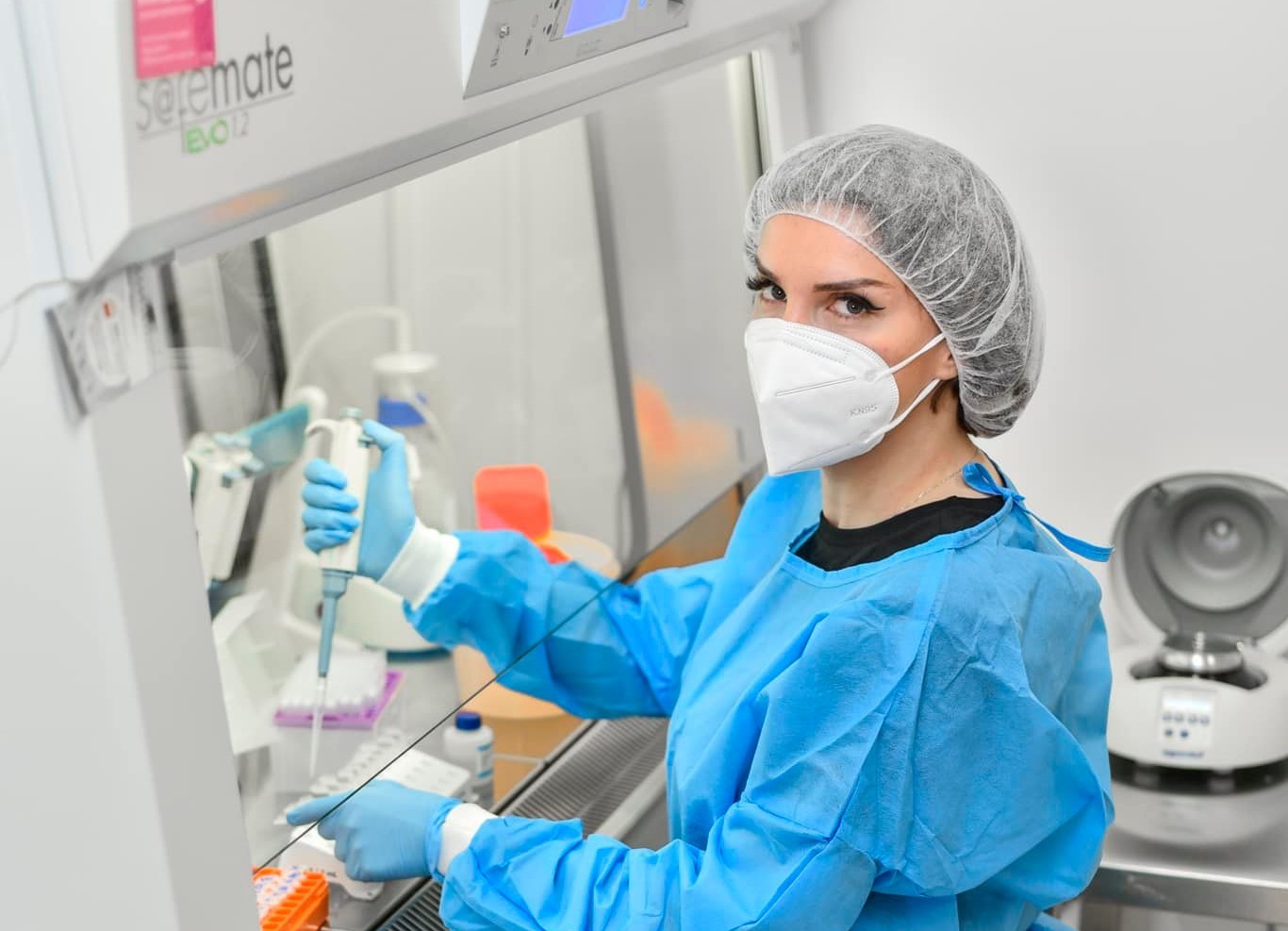
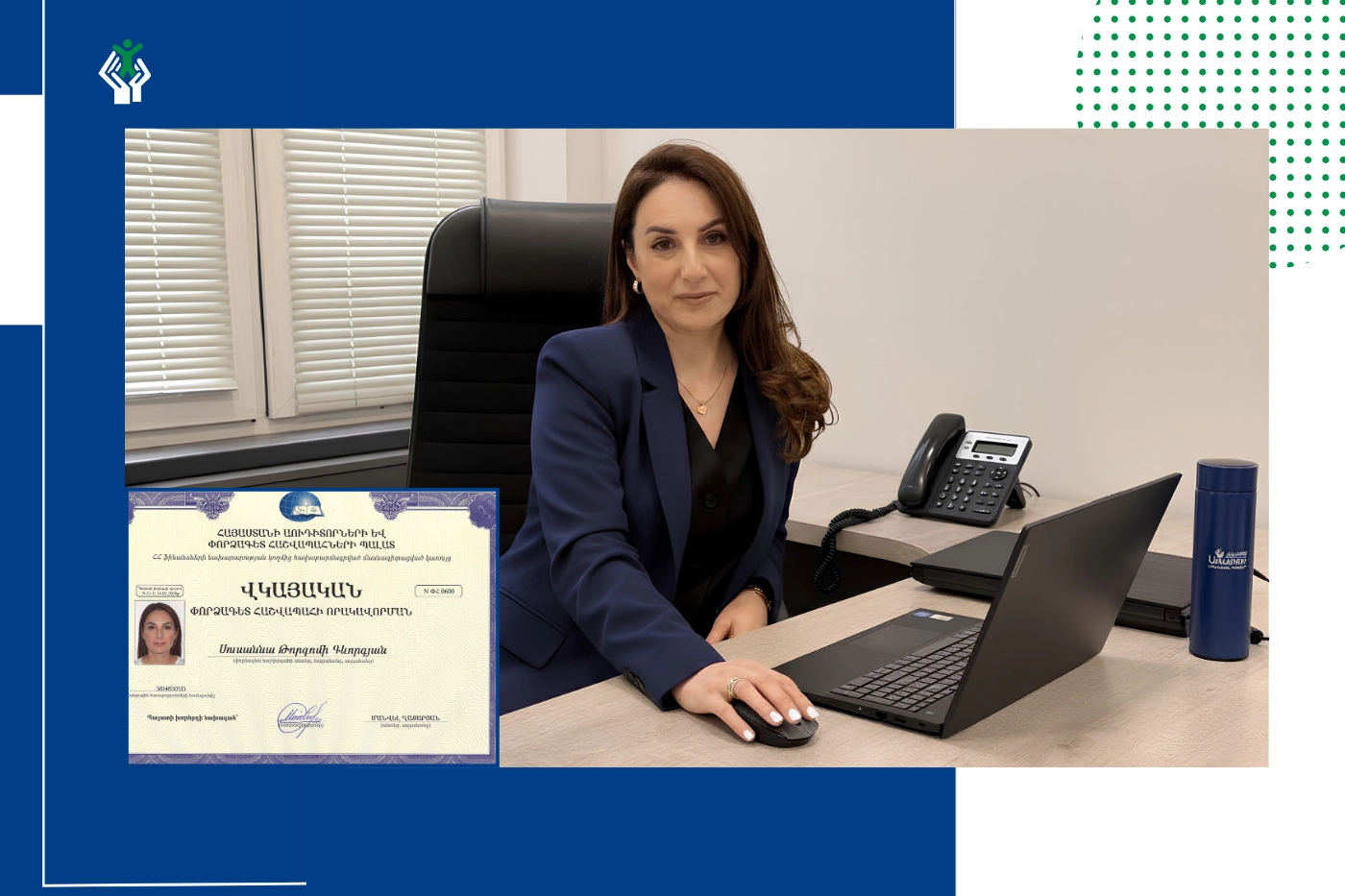
The laboratory of “Arabkir” MC welcomed Arusik Mkrtchyan ( DJ Vakcina ). Recently, she came up with a good initiative: she works in a company for a day and donates her salary to the Health Fund for Children of Armenia #HFCArmenia.
 

Our guest is a Laboratory Doctor by her third degree and the PCR, microbiological and biochemical blood tests she’s done are a good cause to return to that speciality. 
 

Thank you, dear Arusik! 


Last news
Arabkir Medical Center Conducts Evacuation Training
23 March
Air alert: What to Do and What to Watch For Arabkir Medical Center conducted an evacuation training exercise aimed at improving staff preparedness and rapid response in the event of an air disaster.During the exercise, the medical staff acted in a coordinated and organized manner, ensuring the safety of patients throughout the evacuation process. Such training is essential for maintaining readiness and enabling medical personnel to respond quickly and effectively in emergency situations.
World Down Syndrome Day
21 March
Today is World Down Syndrome Day. Approximately one in every 700–800 newborns worldwide is born with Down syndrome, a genetic condition that affects a child’s development as well as certain physical and cognitive characteristics.World Down Syndrome Day was established by the World Health Organization in 2012 to raise awareness about the condition and promote the rights and inclusion of people with Down syndrome. Children with Down syndrome are often affectionately referred to as “sunshine children.” The ArBeS Health Center has been engaged for many years in the assessment and rehabilitation therapy of children with Down syndrome, providing specialized care and support.
“Our Goal Is to Provide Accessible and High-Quality Pediatric Medicine, Regardless of a Family’s Means,” Says Ara Babloyan
20 March
The pediatric healthcare system in Armenia is on the verge of significant changes: strengthening primary care, decentralizing services to the regions, introducing the latest medical technologies, and expanding international cooperation.In an interview with Armenpress, Ara Babloyan, pediatrician, Chairman of the Board of Directors, and Scientific Director of Arabkir Medical Center, discussed the sector’s development priorities, the Center’s achievements over the past year, and the challenges currently facing pediatric healthcare. — Mr. Babloyan, how would you assess the past year for the Center, and what were its most significant achievements?— Arabkir Medical Center is a dynamically developing institution, and our work should be viewed as a continuous process. We constantly review the functions we perform, striving to improve and further develop them, bringing our services to a higher level. Our activities have several main directions. The first is the provision of daily medical services, including pediatrics, pediatric surgery, otorhinolaryngology (ENT), orthopedics, and other specialties. These services form the foundation of the system. At the same time, we are actively developing highly specialized fields where we have achieved particularly strong results. In pediatric neurology and neurosurgery, for example, Arabkir has become a leader not only in Armenia but also in the region. We treat patients from abroad, especially from Central Asia, who come to our Center for effective care. The field of epilepsy is especially important for us. We currently have more than 4,000 patients under our care, which is a considerable number for Armenia. Treatment is primarily medication-based; however, when this approach proves ineffective, we turn to surgical methods. In this area, we have gone through several stages of development—from traditional open surgeries to the introduction of stereotactic techniques. These methods make it possible to identify the source of the problem within a few days and perform radiofrequency ablation without open surgery. Currently, we are also introducing deep brain stimulation, representing a new stage in the development of epilepsy treatment. Read the full interview on the Armenpress website.
Woman Who Received a Kidney Transplant Becomes a Mother
19 March
Life goes on… A woman who received a kidney transplant has become a mother. After undergoing a kidney transplant at Arabkir Medical Center, Arpi not only regained her health but also fulfilled her greatest dream of becoming a parent. The kidney donor was her husband.
World Juvenile Arthritis Day
18 March
Today is World Juvenile Arthritis Day. To raise public awareness about this condition, Gayane Khloyan, Head of the Rheumatology Service at Arabkir Medical Center, answers common questions that concern parents.What is juvenile arthritis?Juvenile arthritis is a chronic inflammation of the joints that occurs in children under the age of 18. In most cases, the exact cause of the disease remains unknown.What are the initial symptoms? How can a parent recognize the problem? The initial symptoms may vary. However, the most common signs are swelling and pain in a joint. Children may not always be able to clearly describe what they are feeling or indicate which part of the body hurts.Parents may notice that the child holds one leg, avoids walking, or begins to limp. Careful observation is important to identify the cause of these symptoms. In addition to joint inflammation, other symptoms may appear, such as general weakness, fever, and sometimes a rash. Is this a hereditary disease? Juvenile arthritis is not considered a hereditary disease. However, there may be a certain genetic predisposition. What are the possible consequences if the disease is not treated? Delayed or absent treatment can lead to disability. Starting treatment at an early stage significantly improves the child’s quality of life and allows them to live a normal, active life. Your advice to parents At first, parents may find it difficult to accept the presence of a chronic disease. However, there are many ways to help children manage this condition. It is very important for parents to cooperate closely with the doctor. The physician cannot manage the disease alone, since the child spends most of the time at home under parental supervision. Effective care requires teamwork involving the family, the child, the physician, and the rheumatologist, as well as other specialists such as an orthopedist, an ophthalmologist, and a rehabilitation specialist.
Deep Brain Stimulation
15 March
Niko Arzumanyan, Head of the Neurosurgical Service at Arabkir Medical Center, presents modern approaches to the surgical treatment of Parkinson's disease, focusing on Deep Brain Stimulation — an advanced neurosurgical method used to manage movement disorders.