A step towards a new quality of medical care: The progress of the ESPAGHAN «Health Care Transition» Campaign in Gastroenterology
09 April
Ensuring continuity of medical care, especially for children with chronic diseases after the age of 18y.o., is one of the important challenges of healthcare. The work carried out in this direction in the field of gastroenterology in Armenia is ongoing, due to the joining of the Pediatric Gastroenterology service of «Arabkir» MC - ICAH to the «Health Care Transition» Campaign launched by ESPAGHAN (European Society of Pediatric Gastroenterology, Hepatology and Nutrition) since October 2025.
Let us recall that in October 2025, the Pediatric Gastroenterology Section was established under the Armenian Pediatric Association, which unites 17 pediatric gastroenterologists, endoscopists and hepatologists of the republic.
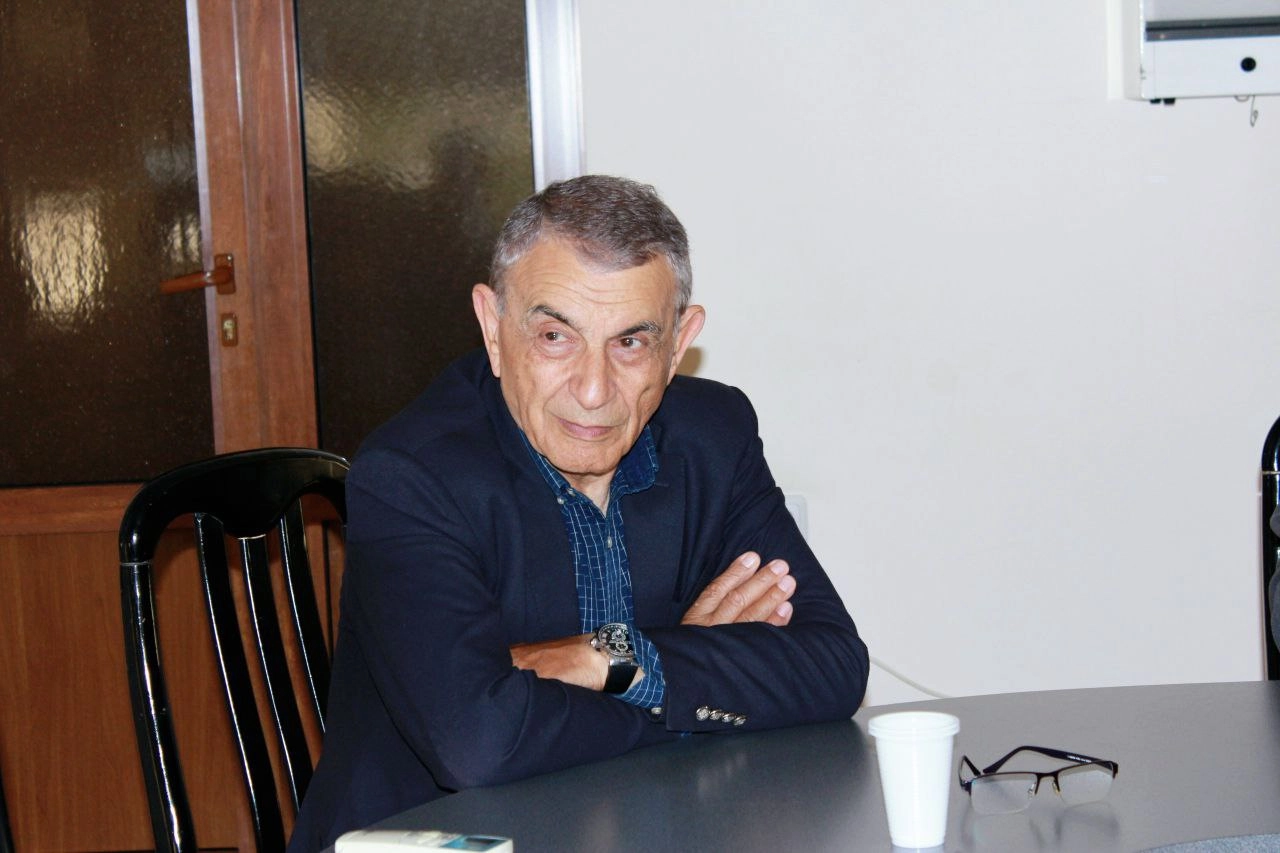
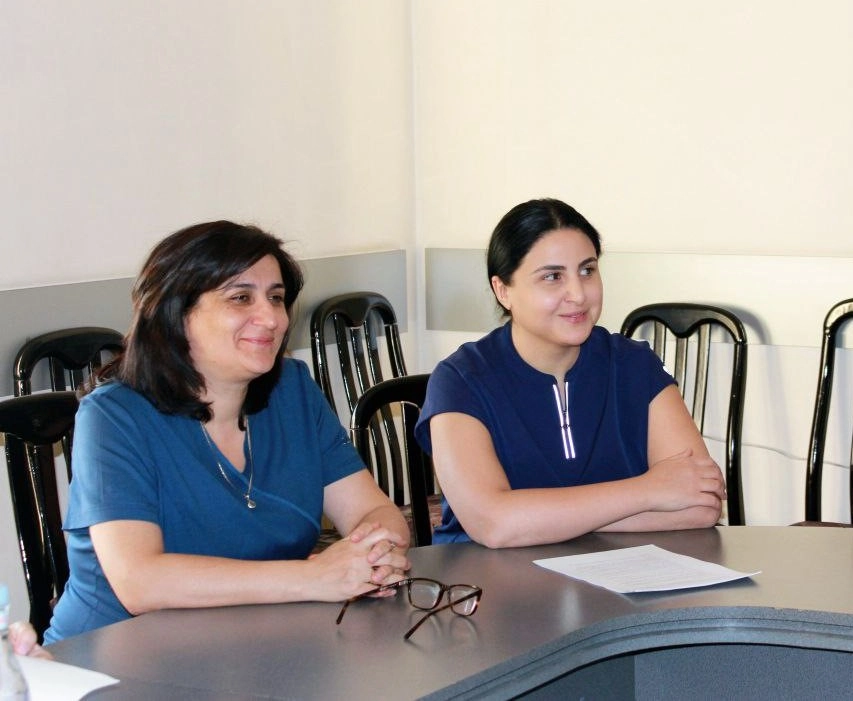
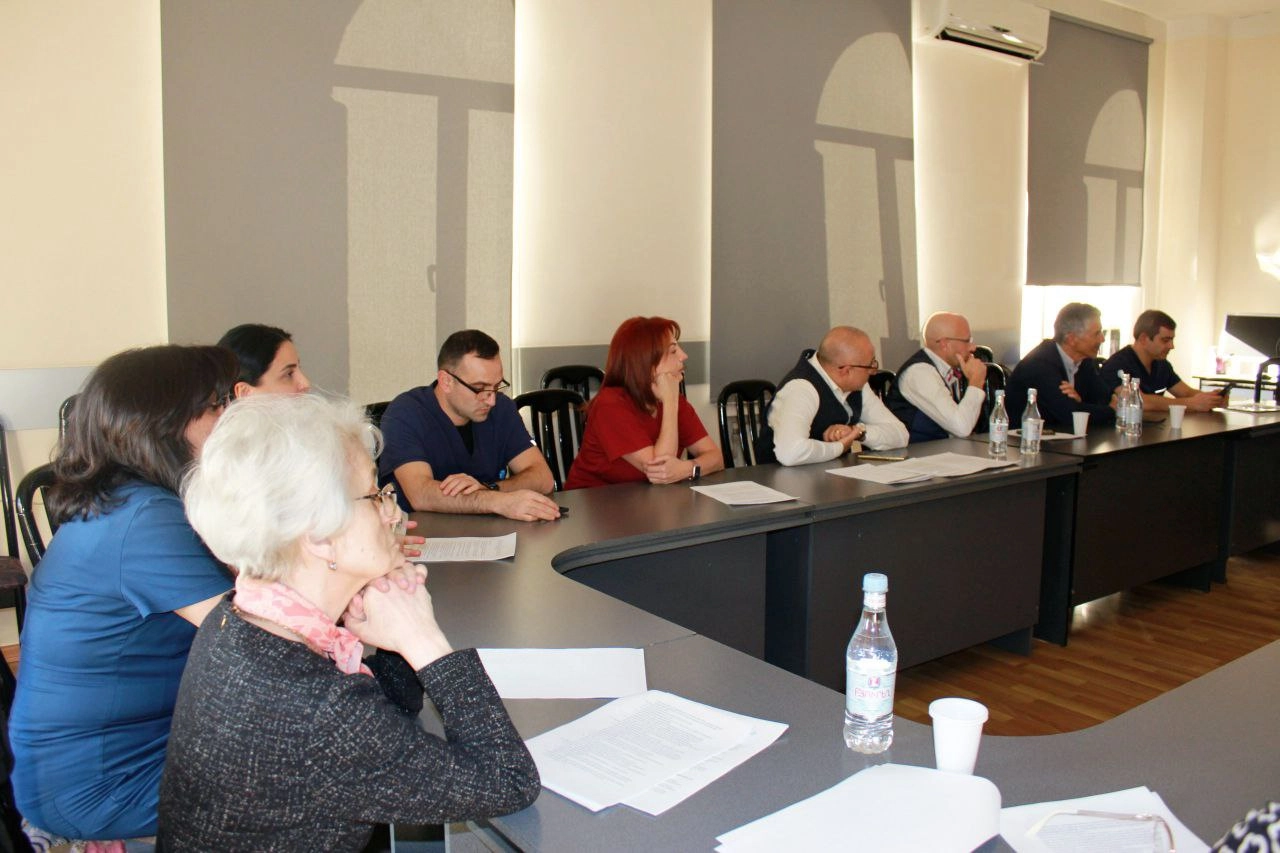
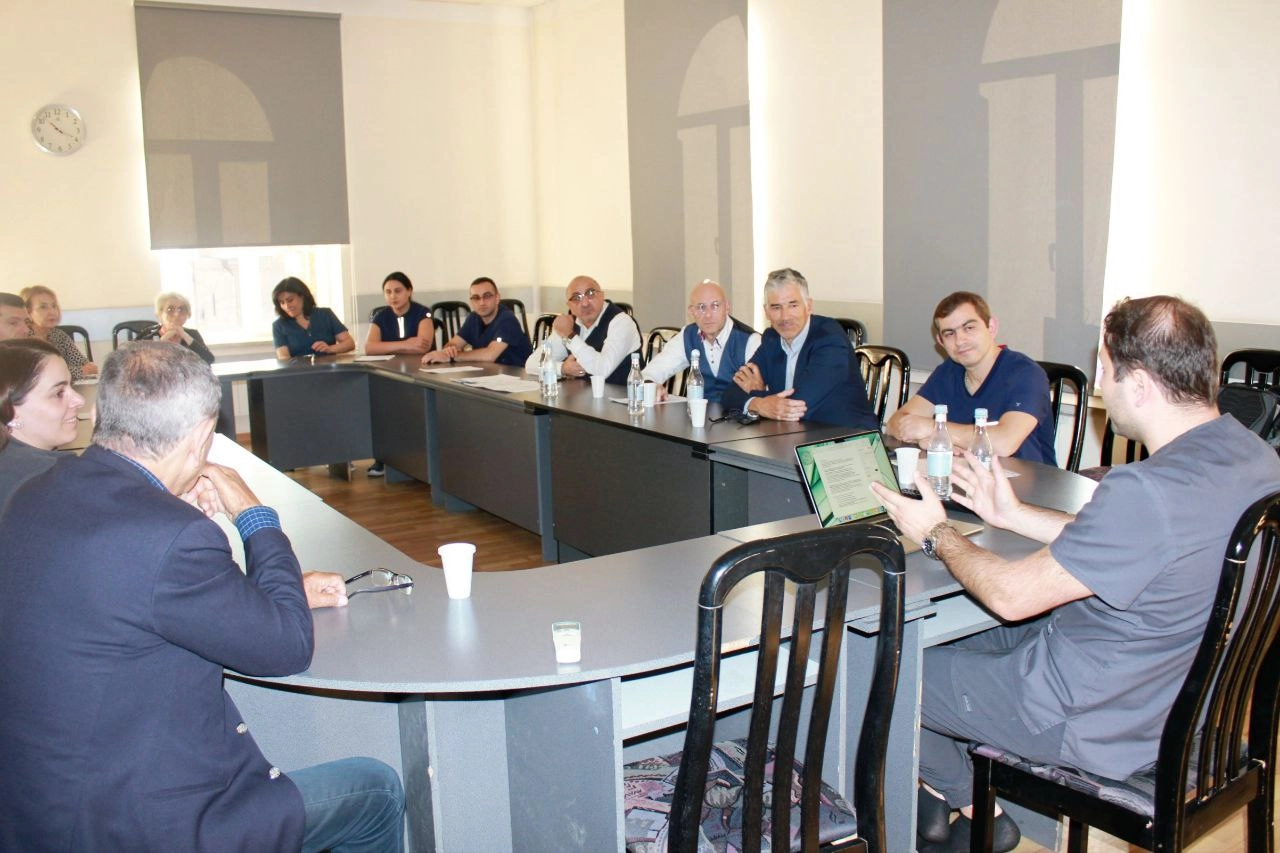
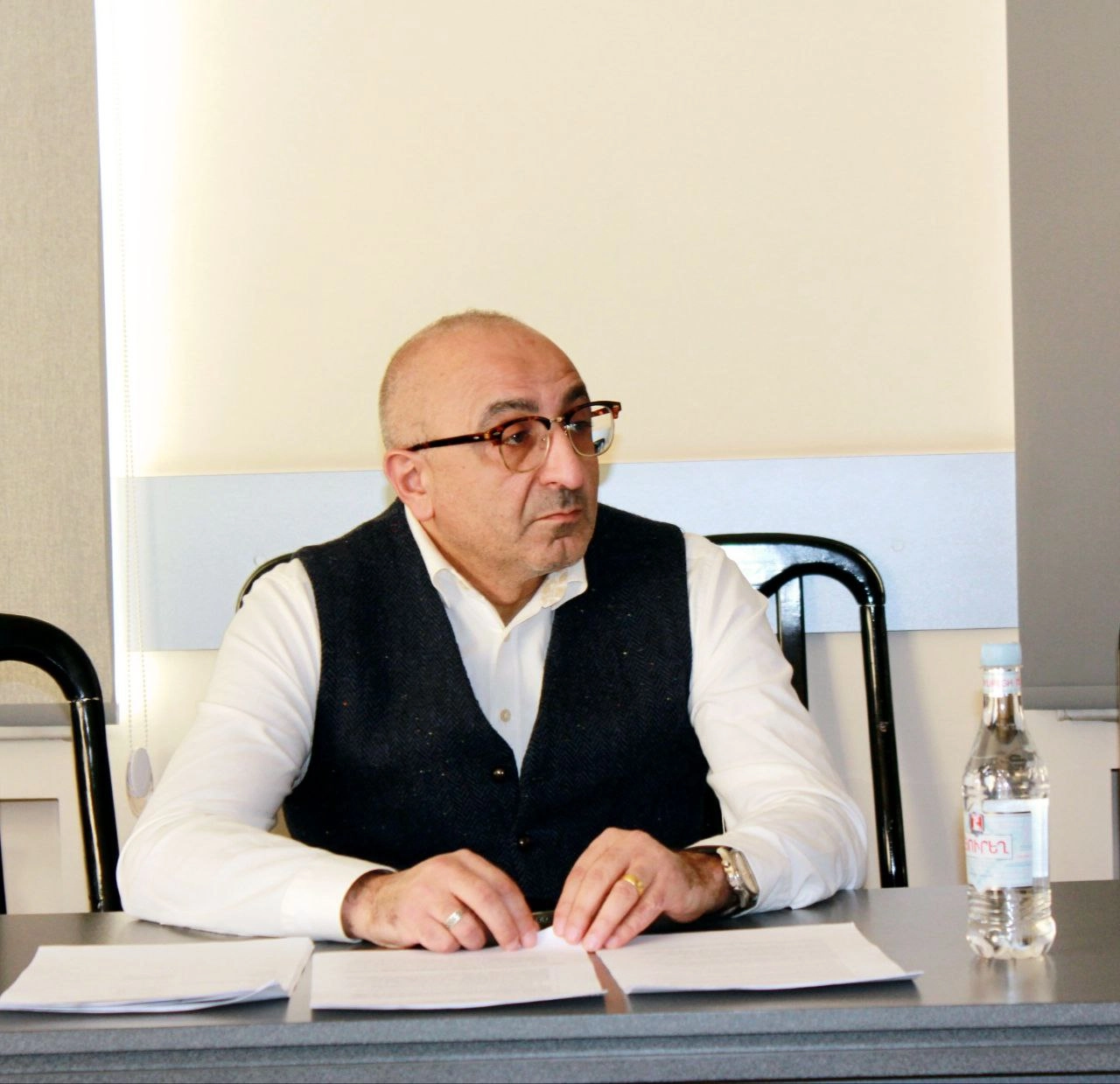
In December 2025, the Pediatric Gastroenterology Section of the Armenian Pediatric Association organized the first meeting of gastroenterologists from the four pediatric and five adult tertiary care Medical Centers at the «Arabkir» MC - ICAH, during which the professional resources of the ESPGHAN above-mentioned campaign, translated into Armenian, were presented, discussed, and disseminated.
The «Health Care Transition» Campaign launched by ESPGHAN continued in February and March of 2026. One of the key achievements of the Campaign is the cooperation that has begun between pediatric and adult gastroenterologists. In February and March, the presentations, discussions, and dissemination of ESPGHAN resources (in printed and electronic versions) continued in the gastroenterology departments of various medical centers and clinics in Yerevan, involving a wider professional network (about 55 people).Currently, the Campaign in Armenia faces certain objective difficulties, as the dispensary (follow-up) care / medical supervision of adult patients with chronic gatroenterological and hepatological diseases still needs to be regulated. The activity, interest and numerous positive responses and feedback from doctors prove that the «Health Care Transition» Campaign in Armenia is relevant and needs further development.
 English
 Հայերեն
 Русский