Main
News
Genodermatoses: Hereditary Skin Diseases

Genodermatoses: Hereditary Skin Diseases

May is observed as Skin Health Month, a time to raise awareness about the importance of skin care and early diagnosis of skin-related conditions.
 

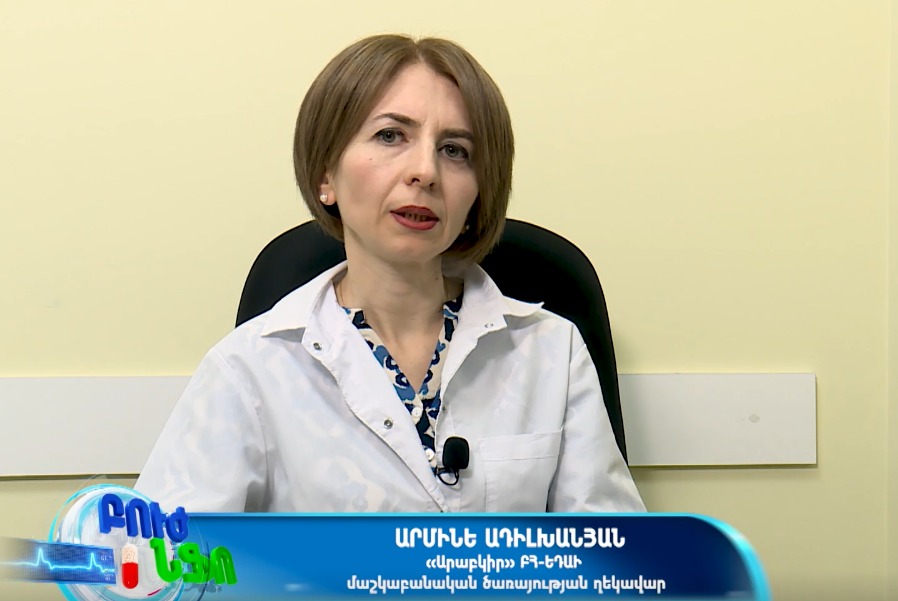
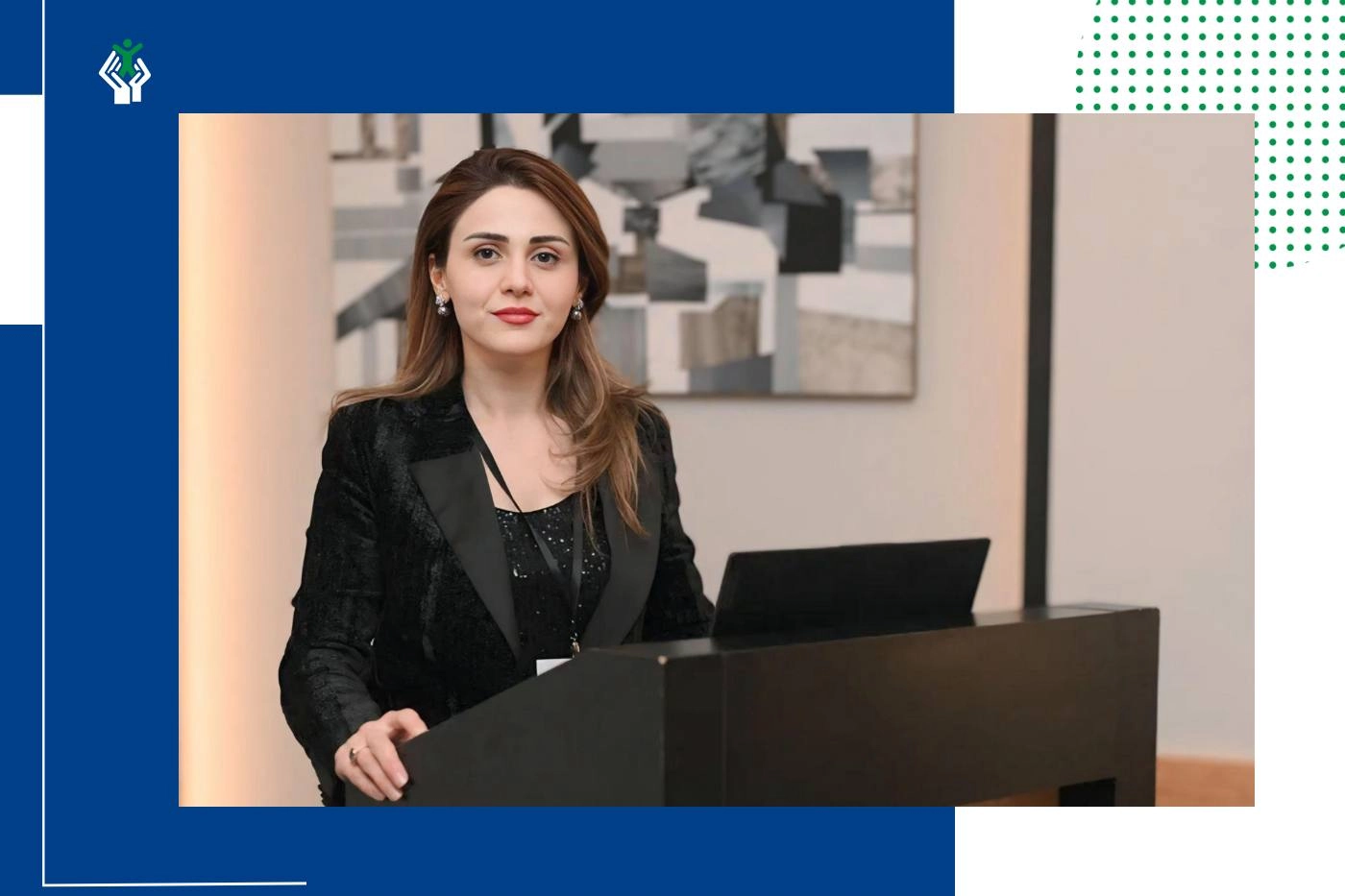
On this occasion, we share insights from Dr. Armine Adilkhanyan, Head of the Dermatology Service at Arabkir Medical Center, featured on Shant TV’s “BuzhInfo” program. The topic: Genodermatoses—hereditary skin diseases.
 

  • “Hello, my name is Dr. Armine Adilkhanyan. Today I’ll speak about a group of conditions known as hereditary skin diseases, or genodermatoses. 

    While thankfully rare, these diseases can significantly impact a patient’s health, quality of life, and development. There are currently around 400 known types. Some affect only the skin, while others involve multiple systems, including the nervous system, eyes, and hearing. 

    Multidisciplinary care is essential—especially in children—where dermatologists work closely with neurologists, ophthalmologists, and other specialists. 

    For example, neurofibromatosis is one such condition, where early skin symptoms can signal the disease. Proper dermatological evaluation is critical for early diagnosis and management. 

    Among the better-known genodermatoses are types of ichthyosis, ranging from mild forms to Harlequin syndrome, which has a severe presentation, and epidermolysis bullosa, which varies in severity. In severe cases, even minor trauma can cause painful skin ulcers, affecting mucous membranes and leading to nutritional issues or limb deformities. 

    Though traditionally considered incurable, advances in medical science offer new hope. Modern treatment methods can significantly improve the lives of affected patients. 

    While diagnosis is often based on clinical presentation, identifying specific gene mutations plays a crucial role. Unfortunately, many genetic tests are still not available in Armenia. 

    However, we are proud to collaborate with French-Armenian specialists who support us in diagnosing and treating children with these rare conditions. 

    It’s vital not to shy away from these diagnoses. Early and consistent care, with the support of professionals, can make a real difference in managing hereditary skin diseases—for patients and their families.”
Last news
Սպինալ մկանային ատրոֆիա. Բիայնա Սուխուդյան
19 December
Ի՞նչ է սպինալ մկանային ատրոֆիան, ինչպե՞ս է ախտորոշվում այս հիվանդությունը, ֆիզիոլոգիական ի՞նչ խնդիրների կարող է հանգեցնել: «Առողջ փոդքաստի» տաղավարում «Արաբկիր» բժշկական համալիրի նյարդաբանության և էպիլեպտոլոգիայի ծառայության ղեկավար, նյարդաբան Բիայնա Սուխուդյանը պատասխանել է սպինալ մկանային ատրոֆիային վերաբերող այս և այլ հարցերի:
Կարևոր ձեռքբերում
18 December
«Արաբկիր» բժշկական համալիրում իրականացված մանկական համակարգչային տոմոգրաֆիայի հետազոտությունների պրոտոկոլների պարամետրերի վերլուծության արդյունքում մեր ներկայացրած տվյալները МАГАТЭ-ի կողմից ճանաչվել են լավագույններից մեկը։ Սա հիմք է հանդիսացել միջազգային հեղինակավոր ամսագրում գիտական հոդվածի հրապարակման համար, որի համահեղինակ է «Արաբկիր» ԲՀ Ճառագայթային ախտորոշիչ ծառայության ղեկավար Մարինե Գրիգորյանը:
What Are the Most Common Allergens in Pediatrics?
10 December
Pediatrician Mary Marandyan of the Arabkir Medical Center was a guest on the Public Television Company’s “Be Healthy” program.
Իրավիճակը համաճարակային չէ, բայց մտահոգիչ է
09 December
Յուրաքանչյուր վիրուս կարող է առաջացնել բարդություններ: «Արաբկիր» ԲՀ երեխաների և դեռահասների առողջության ինստիտուտի ղեկավար Սերգեյ Սարգսյանը հորդորում է ինքնաբուժությամբ չզբաղվել և բարդություններից խուսափելու համար ախտանշանները նկատելու դեպքում դիմել մասնագետներին:
What Is an Allergy and What Is an Allergen?
08 December
Astghik Baghdasaryan, Head of the Respiratory Medicine and Allergology-Immunology Service at the Arabkir Medical Center, spoke about the nature of allergies and their triggers as part of the Public Television Company’s “Be Healthy” program.
The Healthcare Sector Has Suffered an Irreparable Loss
06 December
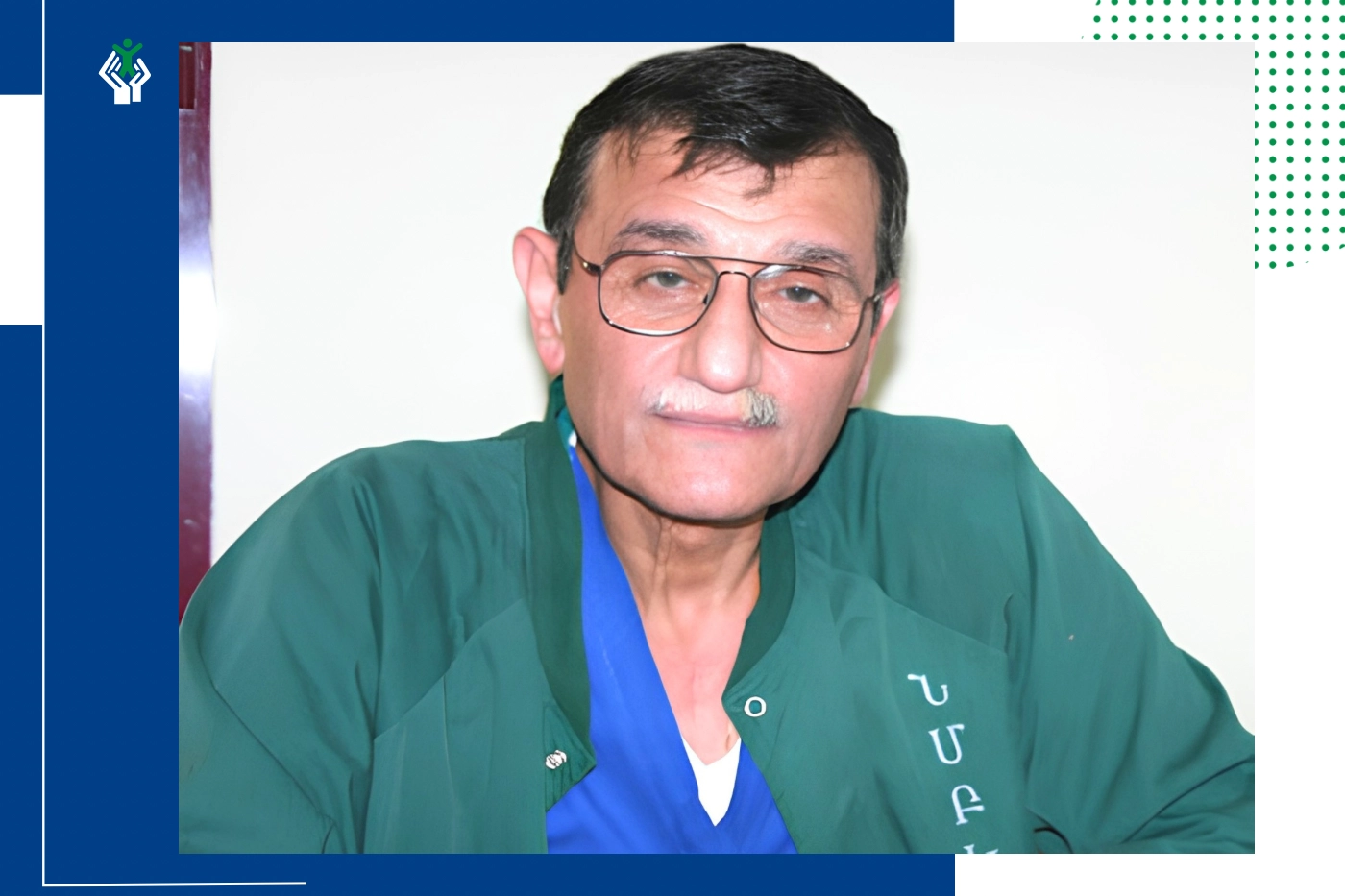
It is with profound sorrow and deep regret that we learned of the sudden passing of YSMU Honorary Professor Artavazd Bagrat Sahakyan, at the age of 72. Professor Sahakyan was one of our most esteemed colleagues and a true friend of the Arabkir Medical Center. Over the years, we jointly implemented numerous programs and complex surgeries, including lifesaving liver transplants in children. He was a beloved physician, a highly skilled specialist, a loyal and irreplaceable friend, and an honest and principled intellectual. He was a remarkable human being who undoubtedly still had many unfulfilled aspirations, both professionally and personally. The Scientific Director of Arabkir Medical Center, Ara Babloyan, the Director, Arman Babloyan, and the entire medical staff extend their deepest condolences to his family, relatives, colleagues, friends, and to all who knew and valued his exceptional work. The memory of a distinguished and dedicated doctor, a kind and sincere friend, and a bright, warm-hearted individual will forever remain in the hearts of those who had the honor of knowing him.