Main
News
“I Have Never Stood or Walked”: Treatment for Spinal Muscular Atrophy Is Not Available in Armenia

“I Have Never Stood or Walked”: Treatment for Spinal Muscular Atrophy Is Not Available in Armenia

Every year, 3–4 newborns in Armenia are diagnosed with the most severe form of spinal muscular atrophy (SMA). Although effective treatment exists worldwide, in Armenia it is neither available through state order nor officially registered.
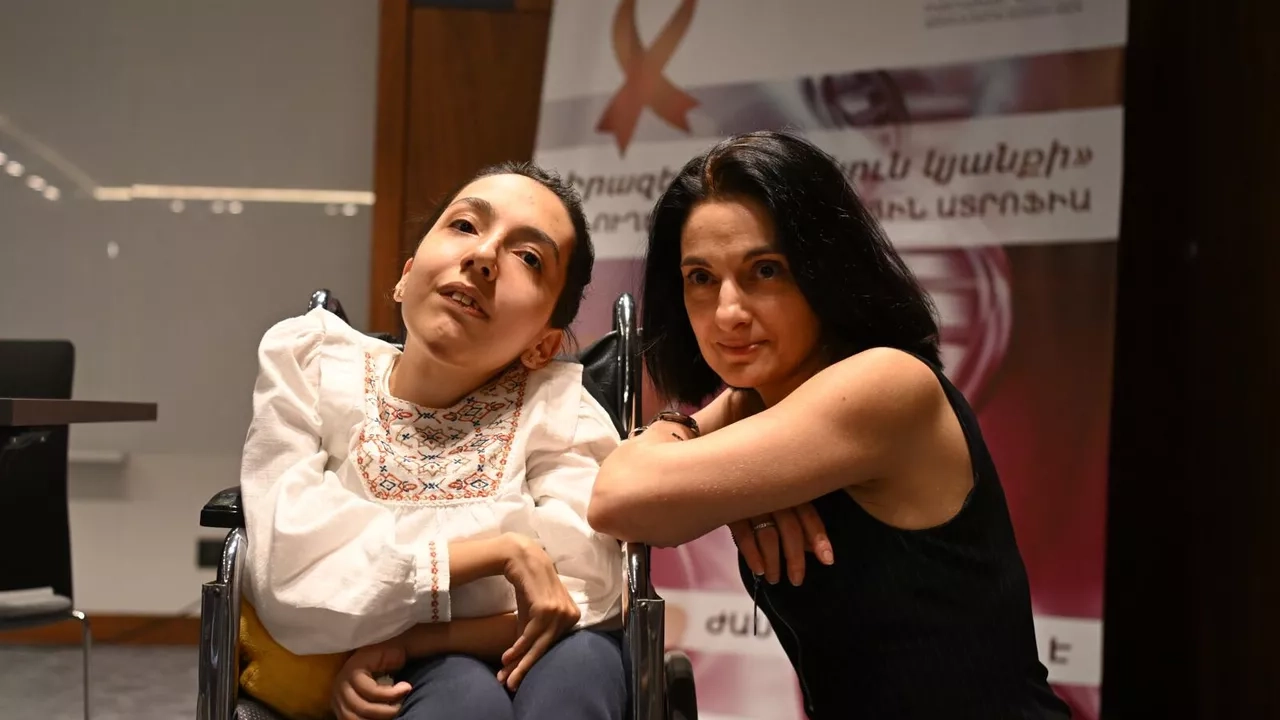
Twenty-four-year-old Anush Gevorgyan loves to paint, but for about two years she has been unable to do so — even holding a brush has become too difficult. Today, there are approximately 12–15 patients in Armenia diagnosed with spinal muscular atrophy, and Anush is one of them.

She recalls that although she was an active child, she never stood or walked. When Anush was 1.5 years old, her mother noticed that her physical development differed from that of her peers. After extensive examinations, the diagnosis was confirmed: spinal muscular atrophy — a rare genetic disorder (Anush has two younger sisters and during each pregnancy, samples were sent to Moscow for genetic testing to ensure the children were healthy.)
“Due to a protein deficiency, the body gradually loses mobility. At that time, there was no treatment available. There were few patients worldwide, and pharmaceutical companies were not interested in developing a solution,” explains Anush.

In 2016, the first injectable medication for SMA was developed. Later, in 2020, an oral version also became available. Anush notes that just as people with diabetes must take insulin daily, individuals with SMA need to take medication regularly to help the body produce sufficient protein, at least halting disease progression or restoring some functions.
Anush has never received treatment for her condition. Six months ago, as her health deteriorated, she was compelled to organize a fundraiser to cover the cost of therapy. The topic was also highlighted by Sputnik Armenia during a press conference on “Innovations in Spinal Muscular Atrophy and the Importance of Genetic Therapy.”
Last news
Սպինալ մկանային ատրոֆիա. Բիայնա Սուխուդյան
19 December
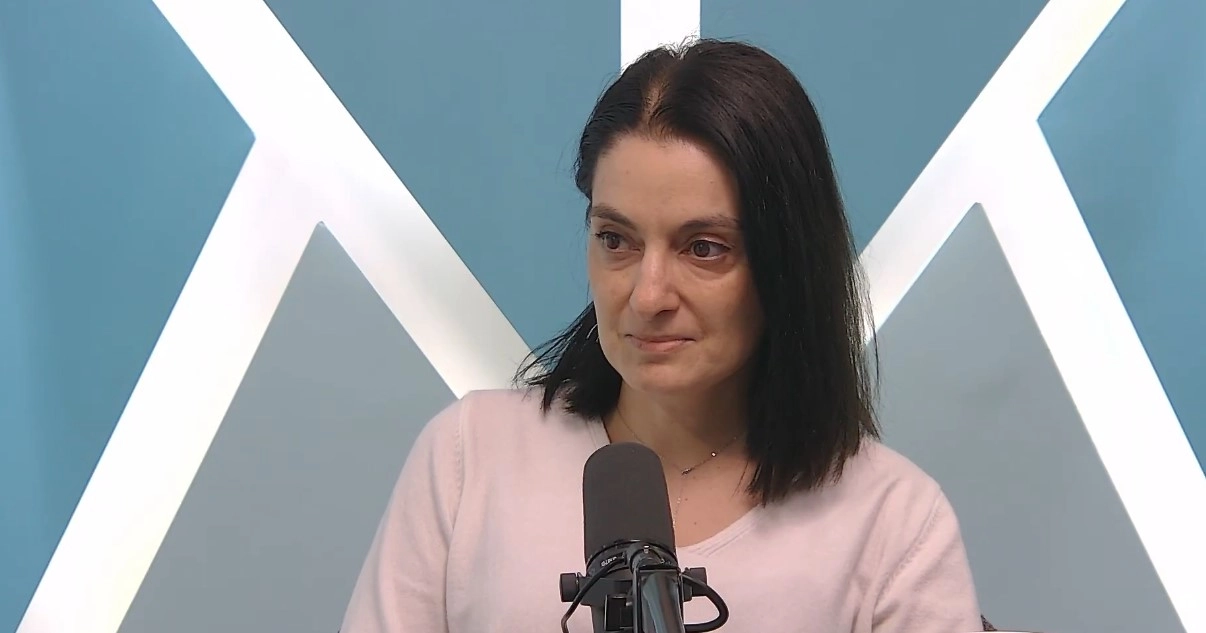
Ի՞նչ է սպինալ մկանային ատրոֆիան, ինչպե՞ս է ախտորոշվում այս հիվանդությունը, ֆիզիոլոգիական ի՞նչ խնդիրների կարող է հանգեցնել: «Առողջ փոդքաստի» տաղավարում «Արաբկիր» բժշկական համալիրի նյարդաբանության և էպիլեպտոլոգիայի ծառայության ղեկավար, նյարդաբան Բիայնա Սուխուդյանը պատասխանել է սպինալ մկանային ատրոֆիային վերաբերող այս և այլ հարցերի:
Կարևոր ձեռքբերում
18 December
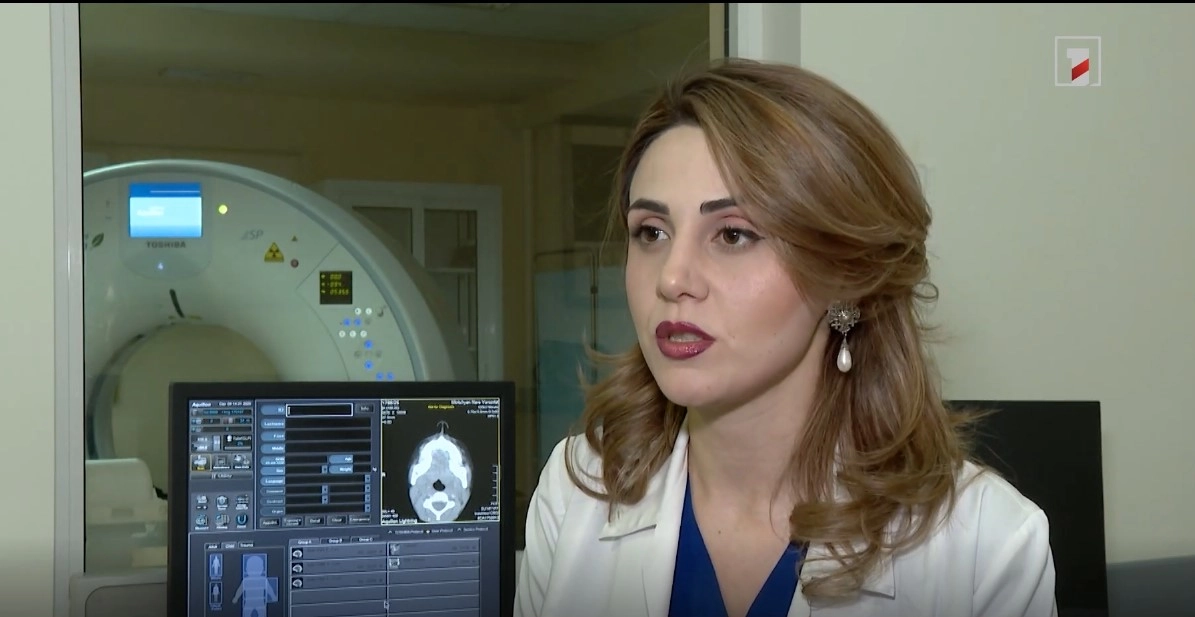
«Արաբկիր» բժշկական համալիրում իրականացված մանկական համակարգչային տոմոգրաֆիայի հետազոտությունների պրոտոկոլների պարամետրերի վերլուծության արդյունքում մեր ներկայացրած տվյալները МАГАТЭ-ի կողմից ճանաչվել են լավագույններից մեկը։ Սա հիմք է հանդիսացել միջազգային հեղինակավոր ամսագրում գիտական հոդվածի հրապարակման համար, որի համահեղինակ է «Արաբկիր» ԲՀ Ճառագայթային ախտորոշիչ ծառայության ղեկավար Մարինե Գրիգորյանը:
What Are the Most Common Allergens in Pediatrics?
10 December
Pediatrician Mary Marandyan of the Arabkir Medical Center was a guest on the Public Television Company’s “Be Healthy” program.
Իրավիճակը համաճարակային չէ, բայց մտահոգիչ է
09 December
Յուրաքանչյուր վիրուս կարող է առաջացնել բարդություններ: «Արաբկիր» ԲՀ երեխաների և դեռահասների առողջության ինստիտուտի ղեկավար Սերգեյ Սարգսյանը հորդորում է ինքնաբուժությամբ չզբաղվել և բարդություններից խուսափելու համար ախտանշանները նկատելու դեպքում դիմել մասնագետներին:
What Is an Allergy and What Is an Allergen?
08 December
Astghik Baghdasaryan, Head of the Respiratory Medicine and Allergology-Immunology Service at the Arabkir Medical Center, spoke about the nature of allergies and their triggers as part of the Public Television Company’s “Be Healthy” program.
The Healthcare Sector Has Suffered an Irreparable Loss
06 December
It is with profound sorrow and deep regret that we learned of the sudden passing of YSMU Honorary Professor Artavazd Bagrat Sahakyan, at the age of 72. Professor Sahakyan was one of our most esteemed colleagues and a true friend of the Arabkir Medical Center. Over the years, we jointly implemented numerous programs and complex surgeries, including lifesaving liver transplants in children. He was a beloved physician, a highly skilled specialist, a loyal and irreplaceable friend, and an honest and principled intellectual. He was a remarkable human being who undoubtedly still had many unfulfilled aspirations, both professionally and personally. The Scientific Director of Arabkir Medical Center, Ara Babloyan, the Director, Arman Babloyan, and the entire medical staff extend their deepest condolences to his family, relatives, colleagues, friends, and to all who knew and valued his exceptional work. The memory of a distinguished and dedicated doctor, a kind and sincere friend, and a bright, warm-hearted individual will forever remain in the hearts of those who had the honor of knowing him.