Main
News
Digitalization of Medicine in Low- and Middle-Income Countries

Digitalization of Medicine in Low- and Middle-Income Countries

Dear colleagues, especially healthcare organizers and practicing doctors,

We invite you to explore an important work published in Switzerland, titled "Digitalization of Medicine in Low- and Middle-Income Countries." You can access the book by following the link.

Published by Springer Nature, the book is edited by Zisis Kozlakidis, Head of the Laboratory Service and Biobank Group at the International Agency for Research on Cancer (IARC); Professor Armen Muradyan, Rector at Yerevan State Medical University after Mkhitar Heratsi, and Karine Sargsyan, Scientific Director of Oncobiobanking at Cedars-Sinai Medical University, California, USA, and WHO expert.

This publication addresses the challenges, progress, and future perspectives of digitizing medicine across various fields. It also highlights several success stories that offer valuable insights into the process.

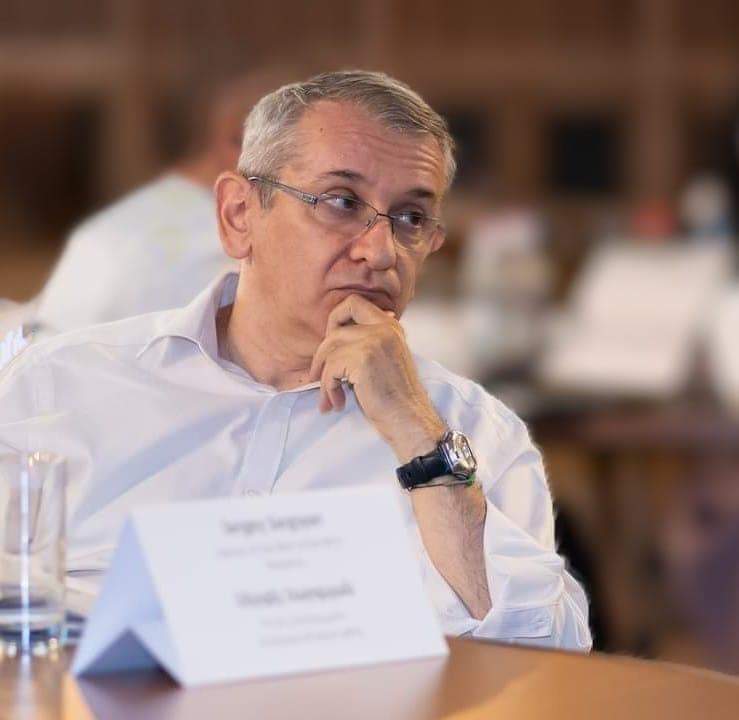
Notably, some chapters of the book were authored by Armenian specialists. One such chapter, "Digitalization of Pediatrics in Low- and Middle-Income Countries," was written by Sergey Sargsyan, Head of the Institute of Child and Adolescent Health at the "Arabkir" Medical Center, Associate Professor at Yerevan State Medical University (YSMU), and WHO expert. We are proud to highlight his contribution to this important work.
Last news
What Are the Most Common Allergens in Pediatrics?
10 December
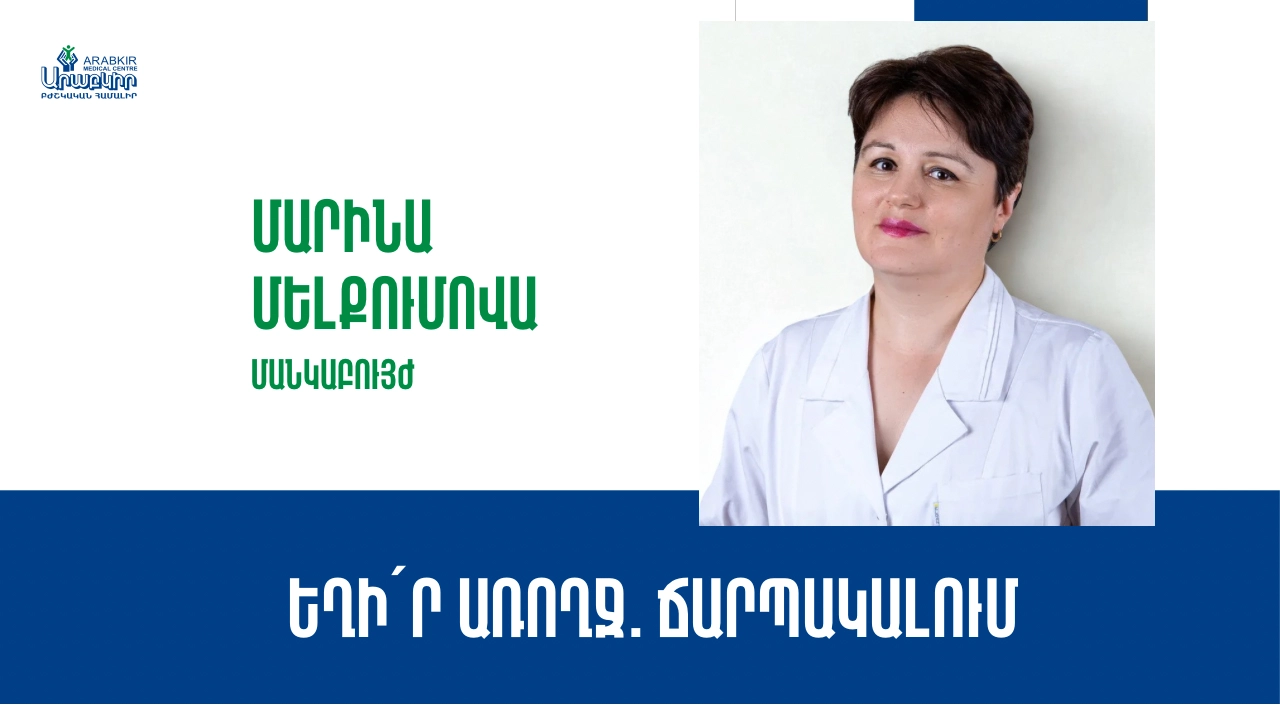
Pediatrician Mary Marandyan of the Arabkir Medical Center was a guest on the Public Television Company’s “Be Healthy” program.
Իրավիճակը համաճարակային չէ, բայց մտահոգիչ է
09 December
Յուրաքանչյուր վիրուս կարող է առաջացնել բարդություններ: «Արաբկիր» ԲՀ երեխաների և դեռահասների առողջության ինստիտուտի ղեկավար Սերգեյ Սարգսյանը հորդորում է ինքնաբուժությամբ չզբաղվել և բարդություններից խուսափելու համար ախտանշանները նկատելու դեպքում դիմել մասնագետներին:
What Is an Allergy and What Is an Allergen?
08 December
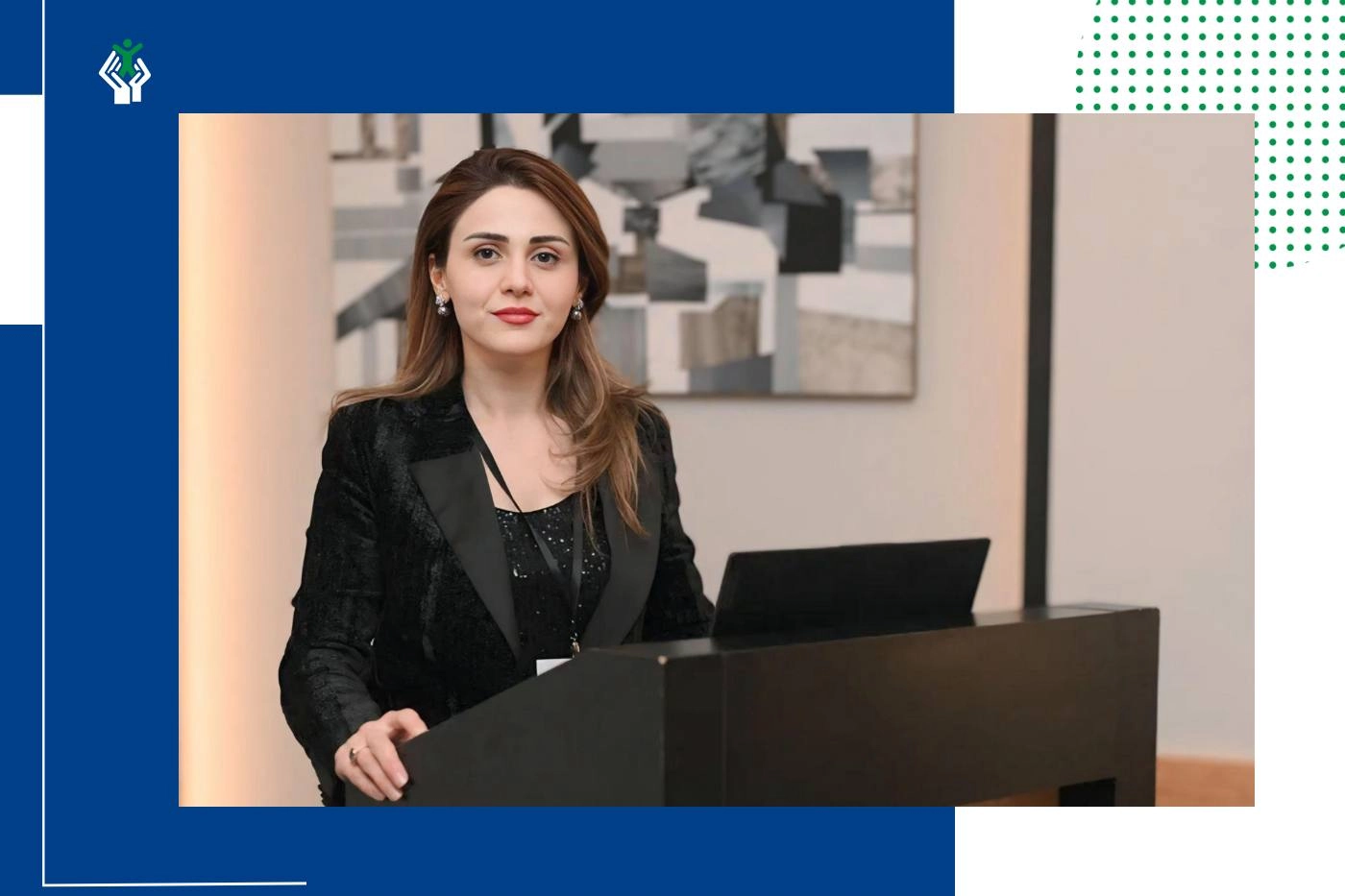
Astghik Baghdasaryan, Head of the Respiratory Medicine and Allergology-Immunology Service at the Arabkir Medical Center, spoke about the nature of allergies and their triggers as part of the Public Television Company’s “Be Healthy” program.
The Healthcare Sector Has Suffered an Irreparable Loss
06 December
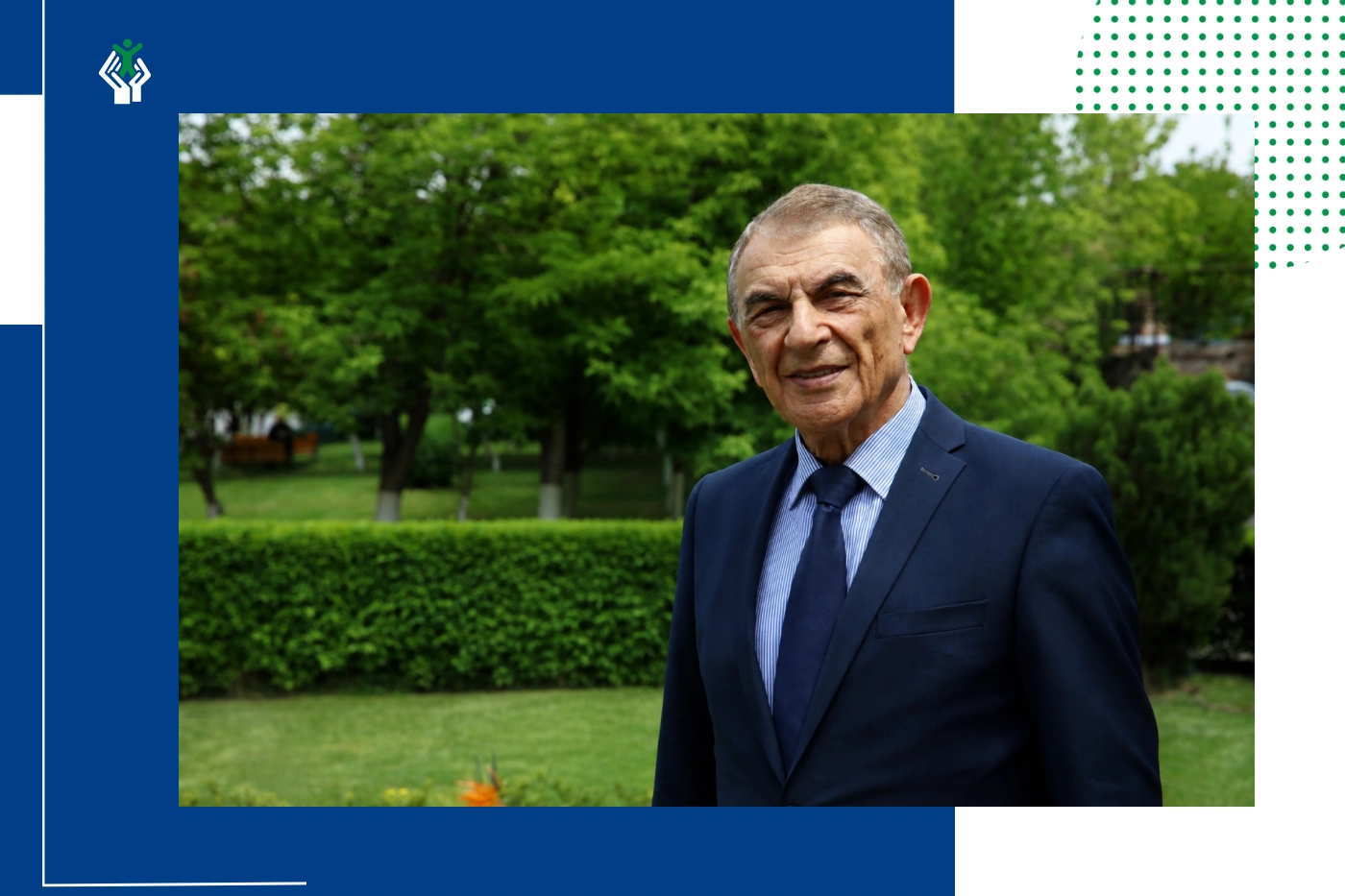
It is with profound sorrow and deep regret that we learned of the sudden passing of YSMU Honorary Professor Artavazd Bagrat Sahakyan, at the age of 72. Professor Sahakyan was one of our most esteemed colleagues and a true friend of the Arabkir Medical Center. Over the years, we jointly implemented numerous programs and complex surgeries, including lifesaving liver transplants in children. He was a beloved physician, a highly skilled specialist, a loyal and irreplaceable friend, and an honest and principled intellectual. He was a remarkable human being who undoubtedly still had many unfulfilled aspirations, both professionally and personally. The Scientific Director of Arabkir Medical Center, Ara Babloyan, the Director, Arman Babloyan, and the entire medical staff extend their deepest condolences to his family, relatives, colleagues, friends, and to all who knew and valued his exceptional work. The memory of a distinguished and dedicated doctor, a kind and sincere friend, and a bright, warm-hearted individual will forever remain in the hearts of those who had the honor of knowing him.
International Day of Persons with Disabilities
03 December
The United Nations General Assembly declared December 3 as the International Day of Persons with Disabilities in 1992. The aim of this day is to raise public awareness about the challenges faced by persons with disabilities and to promote the protection of their rights. Let us work together to build a society in which every person with a disability can overcome daily challenges with ease and feel fully included as a valued member of the community.
Benefits and Potential Risks of Vitamins
02 December
Many parents give vitamin supplements to their children without consulting a physician, assuming these products are entirely harmless. However, appropriate use requires professional guidance. Astghik Mirzakhanyan, pediatrician at the Arabkir Medical Center, spoke with News about the correct use of vitamins, their real benefits, and the potential risks associated with unsupervised supplementation.