Main
News
Celiac Disease

Celiac Disease

May 16 marks World Celiac Disease Awareness Day, dedicated to raising awareness about this chronic autoimmune condition.

Celiac disease develops due to the body’s immune response to gluten, a protein found in grains such as wheat, rye, and barley. This immune reaction leads to inflammation and damage in the small intestine, impairing nutrient absorption. The condition can be inherited or acquired, and while it may appear at any age, it often presents with:

 🔹 Constipation or diarrhea
 🔹 Bloating
 🔹 Growth delay, short stature, and delayed puberty in children

At Arabkir Medical Center, celiac disease remains a key focus for the Gastroenterology Service, with over 100 children currently under supervision for this condition. As part of our commitment to advanced care, our specialists are also participating in the 57th Congress of the European Society for Paediatric Gastroenterology, Hepatology and Nutrition (ESPGHAN), where the latest developments in celiac disease management are being discussed.

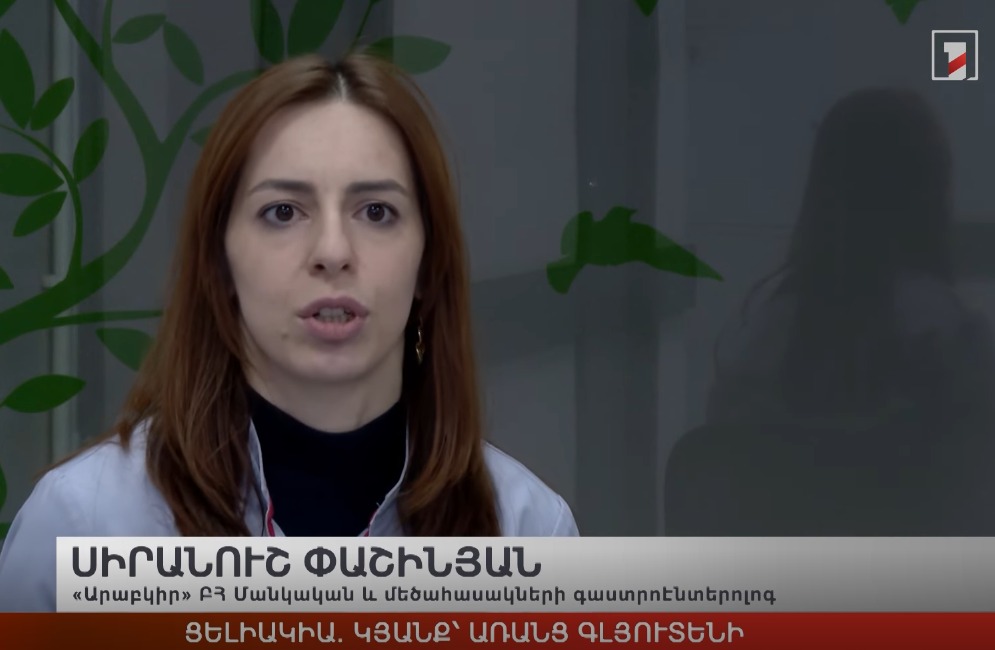
Dr. Siranush Pashinyan, pediatric and adult gastroenterologist at Arabkir, shared her expertise in an interview with Public Television's “News” program: 

  • May 16 is World Celiac Disease Awareness Day. It is an immune disease diagnosed in people with a hereditary predisposition who consume foods containing gluten. 
    Siranush Pashinyan, a pediatric and adult gastroenterologist at the Arabkir Medical Center, says:

    "Gluten is a protein found in certain types of grains—wheat, rye, and barley. Most often, people consume it through flour, which contains gluten. When gluten enters the body, the immune system reacts, resulting in chronic inflammation in the intestines. This leads to serious health problems."

    The disease can manifest at any age, and the symptoms can vary.

    Siranush Pashinyan continues: "Symptoms include constipation, diarrhea, recurring abdominal pain, and bloating. In older children, for example, growth retardation, short stature, delayed sexual maturation, bone damage, and increased bone fragility due to impaired nutrient absorption may occur. In some cases, the disease can be completely asymptomatic."

    There are also non-digestive symptoms, such as hair loss and neurological issues. Some diseases can also be associated with celiac disease. So how is it diagnosed.

    Siranush Pashinyan explains: "The first step is an immunological test called the tissue transglutaminase antibody test. A healthy person who does not have celiac disease is very unlikely to have elevated levels of these antibodies in the blood. A positive result is considered a clinical indicator. The next step is to take biopsies from the gastrointestinal tract."

    The specialist also notes the primary method of treating celiac disease: maintaining a strict diet.

    Siranush Pashinyan says: "The only treatment is a gluten-free diet. Gluten must be completely eliminated from the diet. If the patient has pronounced symptoms, positive changes are typically observed within 2–3 weeks."

    In case of symptoms, self-medication should be avoided, and a doctor should be consulted.
    Siranush Pashinyan adds: "Our medical center has a pediatric gastroenterology dispensary monitoring service, where children with chronic gastrointestinal diseases up to the age of 18 are monitored. More than 300 children are currently under supervision, over 100 of whom have been diagnosed with celiac disease." 

    These children are under continuous monitoring to ensure they follow a proper diet and are not deficient in essential vitamins.
Last news
Էպիլեպսիան ոչ միայն բժշկական, այլև սոցիալական ու կրթական մարտահրավեր է
04 February
Փերտրվարի 7-ին` ժամը 10:00-15:00-ը, Հայաստանի Ամերիկյան համալսարանում (հասցե` Մարշալ Բաղրամյան պող., 40) կկայանա համաժողով` «Էպիլեպսիա՝ ստվերից դուրս» թեմայով: Համաժողովը նպատակ ունի միավորել մասնագետներին, ծնողներին և ոլորտի պատասխանատուներին՝ բաց խոսելու, իրազեկելու և միասին գտնելու լուծումներ էպիլեպսիա ունեցող երեխաների կյանքի որակը բարելավելու համար։
19-ամյա Ռուբիկն ու 6-ամյա Էվան երբևէ չեն քայլել.
29 January
Ռուբը արդեն մեկ տարուց ավելի է՝ չի էլ նստել։ Ընդամենը 15 կիլոգրամ կշռող 19-ամյա տղան մշտապես պառկած է նույն դիրքով, քանի որ մկանների դեֆորմացիան այլ բան թույլ չի էլ տալիս։ Գիշեր թե ցերեկ նրան թթվածնային հատուկ սարք է միացված, առանց որի տղան շնչահեղձ է լինում։ Ռուբիկն ու փոքր քույրը՝ Էվան, հազվադեպ հանդիպող գենետիկ հիվանդություն ունեն՝ սպինալ կամ ողնուղեղային մկանային ատրոֆիա: Ընտանիքի մեծ երազանքն է, որ ՍՄԱ-ի դեղորայքը հասանելի դառնա ոչ միայն 6-ամյա Էվայի, այլև նրա 19-ամյա եղբոր համար, որ գոնե շնչառությունը մի քիչ կարգավորվի, հիվանդության՝ օրեցօր վիճակը վատթարացնող փոփոխությունները կանգնեցվեն։ Նյութը՝  Sputnik Արմենիայի:
The Pediatric gastroenterology and hepatology section was established within the Armenian Pediatric Association
21 January
In October 2025, the Pediatric Gastroenterology and Hepatology Section was established within the Armenian Pediatric Association, bringing together pediatric gastroenterologists, endoscopists, and hepatologists from across the country. The subdivision currently unites 17 specialists.Professor Gayane Amaryan, Head of the Gastroenterology service of the Arabkir MC-ICAH , who initiated the creation of the section, noted, that the primary goals are to consolidate professional expertise to improve the quality of pediatric gastroenterological care, develop clinical, research, and educational programs, expand cooperation with International gastroenterology organizations (including ESPGHAN, NASPGHAN, and UEG), and strengthen collaboration with the Association of Adult Gastroenterologists of Armenia.The Pediatric Gastroenterology Service of the Arabkir MC–ICAH has maintained active cooperation with ESPGHAN for many years. This collaboration includes participation in Annual international conferences, support for ESPGHAN initiatives in Armenia, and the implementation of educational programs. Notably, ESPGHAN Eastern Summer Schools were organized in Yerevan in 2007 and 2017. GE service has also collaborated for 15 years with Professor Christian Braegger, a long-standing member of the ESPGHAN and the head of the Center for Gastroenterology and Nutrition Research at the Zurich Children's Hospital, who actively supports clinical practice and medical education in Gastroenterology at the center.It should be noted that the Gastroenterology Service of the Arabkir Medical Center currently provides long-term follow-up for more than 500 children with chronic gastroenterological and hepatological conditions up to the age of 18. After this age, patients require continued monitoring by adult specialists to prevent complications and improve quality of life. The proper organization of this transition period represents a significant healthcare challenge worldwide and requires coordinated involvement of both pediatric and adult gastroenterologists.This issue is directly addressed by the “Health Care Transition” campaign launched by ESPGHAN in October 2025, in which the Gastroenterology Service of the Arabkir MC is actively involved. The campaign’s slogan, “The transition process is not an ordinary transfer,” highlights the importance of a structured and patient-centered approach.As part of the campaign, the first stage was completed in November 2025, during which ESPGHAN educational materials were supplemented and translated into Armenian. As part of the second stage, in December 2025, the first meeting of gastroenterologists from the four Pediatric and the five Adult tertiary-level medical centers was organized by the Pediatric Gastroenterology Section and Armenian Pediatric Association.During the meeting, the translated ESPGHAN materials were presented, and discussions focused on their implementation in Armenia, localization challenges, and existing barriers in the transition process. Summarizing the event, Gayane Amaryan, Head of the Gastroenterology Service of the Arabkir MC, emphasized the importance of active participation and distributing the ESPGHAN translated resources by specialists and expressed hope that the ESPGHAN-initiated Health Care Transition process will continue to develop gradually and systematically in Armenia.
Ամանորի հեքիաթը լիարժեք չէր լինի առանց այս ժպիտների
02 January
Հունվարի 1-ին հեռավոր Լապլանդիայից «Արաբկիր» բժշկական համալիր էր ժամանել Ձմեռ պապիկը՝ լի պարկով և անակնկալ նվերներով։ Ամենուր հեքիաթային մթնոլորտ էր տիրում։ Փոքրիկներն այս պահի մասին հաստատ երազել էին։ Ձմեռ պապիկի հետ այս հանդիպումը նրանք կպահեն իրենց ամենավառ հիշողություններում…
ՇՆՈՐՀԱՎՈՐ ԱՄԱՆՈՐ ԵՎ ՍՈՒՐԲ ԾՆՈՒՆԴ...
30 December 25
Հարգելի՛ գործընկերներ, բուժառունե՛ր և սիրելի՛ հայրենակիցներ, ավարտվում է 2025 թվականը: Տարի, որը «Արաբկիր» բժշկական համալիրի համար նշանավորվեց մասնագիտական հերթական ձեռքբերումներով և կարևոր հաջողություններով։Ամանորի և Սուրբ Ծննդյան տոների կապակցությամբ շնորհավորում ենք բոլորիս՝ մաղթելով առողջություն, կայունություն և նոր հաջողություններ։ Թող 2026 թվականը դառնա նոր հնարավորությունների, շարունակական զարգացման և առաջընթացի տարի։ Մաղթում ենք, որ յուրաքանչյուրի ընտանիքում տիրեն սերը, հոգատարությունն ու համերաշխությունը, իսկ մեր հայրենիքում՝ անվտանգությունն ու կայուն զարգացումը։ Եղե՛ք քաջառողջ, բայց նաև իմացե՛ք առողջական այս կամ այն մարտահրավերը հաղթահարելի է. չէ՞ որ Հիպոկրատի երդվյալները օր ու գիշեր աշխատում են, որ դուք և ձեր երեխաները լինեն ապահով ձեռքերում: Հիշե՛ք «Արաբկիր» բժշկական համալիրը ձեր առողջության վստահելի գործընկերն է ` երեկ, այսօր և ընդմիշտ:
Տարին ամփոփում ենք վերհիշելով ու ներկայացնելով ուշագրավ դեպքերը
29 December 25
Ձևավորված ավանդույթի համաձայն` այս տարի ևս «Արաբկիր» բժշկական համալիրի Երիտասարդ բժիշկների և ռեզիդենտների խորհուրդը` AYPA-ն, բժիշկներին մեկ հարկի տակ էր հավաքել. Ներկայացվելու էին տարվա ուշագրավ դեպքերը: Տարին ամփոփելու այս սովորույթը ձևավորվել է տարիներ առաջ և տվել հնարավորություն կոլեգաներին ներկայացնել սեփական փորձառության եզակի պաթոլոգիները, բուժման մեթոդները, պատասխանել գործընկերներին հուզող հարցերին: Ներկայացված դեպքերը փաստում են, որ բժշկությունը միայն գիտելիք չէ, այլև հմտություն է, հոգատարություն, թիմային ոգի և անմնացորդ նվիրում։ Եվ հենց այս արժեքների շնորհիվ «Արաբկիր» ԲՀ-ԵԴԱԻ շարունակում է մնալ, որպես ԱՌՈՂՋՈՒԹՅԱՆ ՎՍՏԱՀԵԼԻ ԳՈՐԾԸՆԿԵՐ: