Main
News
Surgical Treatment for Parkinson’s Disease

Surgical Treatment for Parkinson’s Disease

April 11th is highlighted in medical calendar as Parkinson’s Disease Awareness Day: 

an occasion to talk about parkinsonism, its diagnosis and modern methods of treatment.  

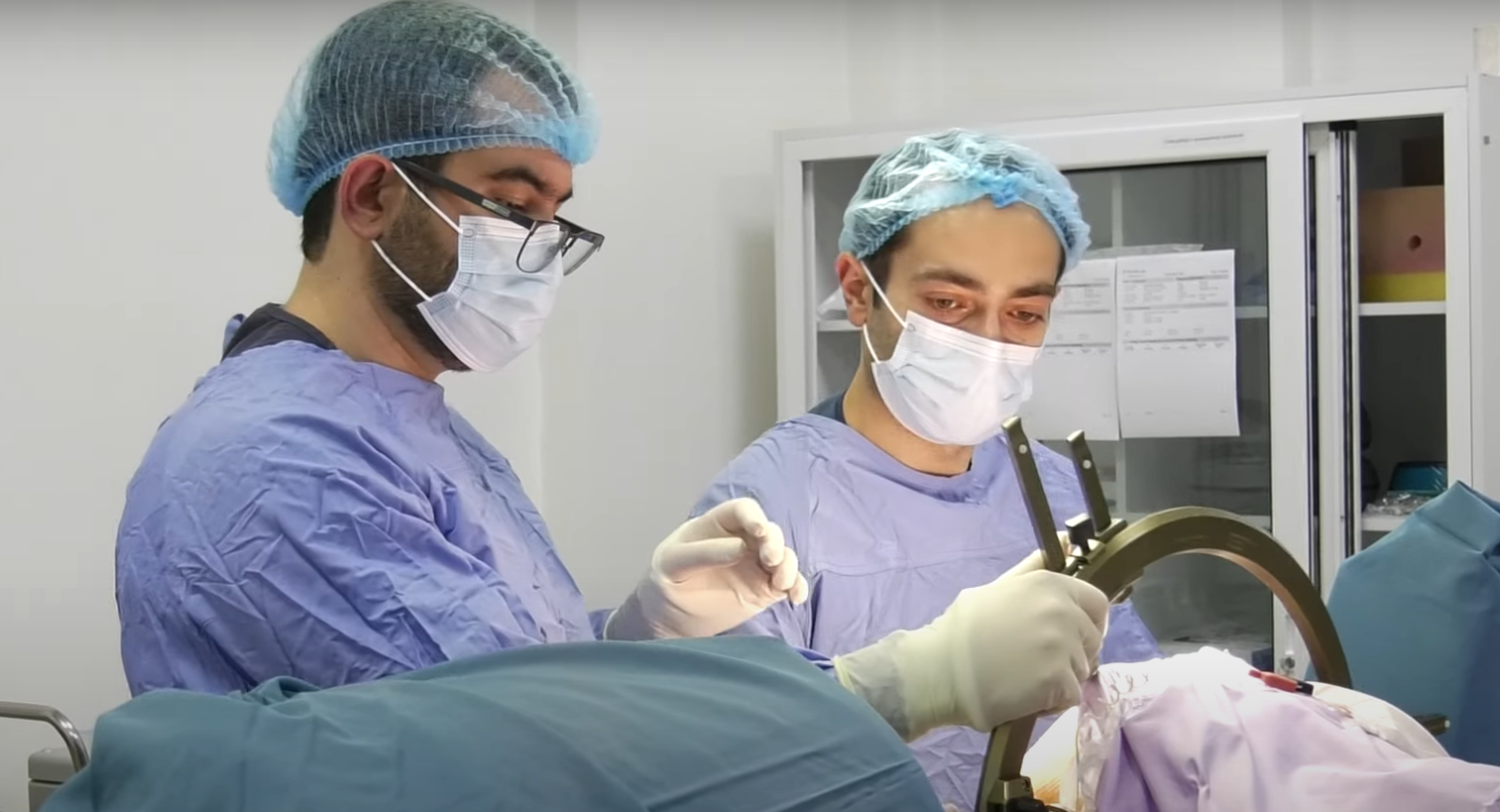
The video from news.am refers to neurosurgical treatment of parkinsonism at "Arabkir" Medical Center emphasizing how effective deep brain stimulation with neuromonitoring can be and how important it is for improving the quality of human life. 

  • The 60-year-old man has had Parkinson's disease for over 10 years. He had been receiving drug treatment for many years, but the medications are no longer helpful, and even cause some complications. According to neurologist Zaruhi Tavadyan in a conversation with NEWS.am Medicine, the man had problems with work, social activities, and quality of life. The doctors at “Arabkir” Medical Center suggested a surgical treatment method - deep brain stimulation, which will allow him to return to his active life.
    “Parkinson’s disease is a chronic progressive neurological disorder of the central nervous system. Its classic symptoms are mainly motor: slowness in motion, tremor, impaired gait, coordination problems, muscle stiffness, and many non-motor symptoms like depression, sleep disorders, pain, etc. All of these symptoms together have a significant impact on the quality of life.

    During this disorder and drug treatment, patients may experience complications related to the treatment, irregular response to medications, irregular movements. At a certain point, it becomes difficult for patients to continue their treatment with conventional medications alone” says Zaruhi Tavadyan. She also mentions that deep brain stimulation has been used as a treatment method for over two decades. It allows for continuous adjustments in the patient’s mobility over time and helps them to remain active. Deep brain stimulation is a surgery, during which electrodes are placed in specific areas of the brain, which are then connected to a stimulation device implanted under the skin in the chest cavity. The device generates electrical impulses that inhibit abnormal brain activity. This is a complex operation, and surgeons need to find the correct position of electrodes without damaging the motor area of the brain. In the past, the surgery was performed with local anesthesia as the patient had to perform some tasks during the operation in order to evaluate the method's effectiveness and safety. For example, violinist Roger Frisch is known to have played the violin during this type of operation. Today, in “Arabkir” Medical Center, deep brain stimulation is performed with modern technology, neuromonitoring, and there is no longer a need to keep the patient awake, says neurosurgeon Sevak Badalyan.
    “In our center, deep brain stimulation is performed under general anesthesia and under the control of neuromonitoring, which has many advantages. Firstly, the patient is in a more comfortable state under general anesthesia, and neuromonitoring allows us to adjust the electrode's position and avoid possible side effects of stimulation. Neuromonitoring is a widely used method nowadays. It involves closing an electrical circuit, i.e . a stimulation of the corresponding area is done and the stimulus is recorded from the peripheral muscles. In other words, it can be facial muscle, upper or lower limbs, therefore, it will be facial  nerve or hypoglossal nerve, depending on the specifics of the operated region. The goal is to avoid the damage to relevant areas and pathways” he says.
    Before the operation, doctors carefully study the patient's brain MRI image, find target nuclei and insert electrodes virtually. Then, right before the operation, contrast CT-scan is performed, the results of which are then combined with MRI. To determine the precise place of where electrodes should be placed, a special coordinate system called stereoscopic circle, is used, Niko Arzumanyan, the head of the Neurosurgery Service has noted.
    “The intervention consists of several stages. In the first stage of the operation, a special metal device is attached to the patient’s head, which helps us to create a virtual coordinate system, and by combining the results of the computed tomography and MRI imaging through the appropriate program, we are able to get coordinates we need, and with the corresponding coordinates, insert the electrodes in the right place with an accuracy of up to 0.6mm” he says. 
    Niko Arzumanyan mentions that deep brain stimulation has been used in “Arabkir” Medical Center for over a year now, and all the operated patients are satisfied with the results. All of this became possible thanks to the latest equipment and digital technologies acquired by the center. 

    Deep brain stimulation is used not only to treat parkinsonism, but for other neurological and even psychiatric disorders as well, says Zaruhi Tavadyan.
    “Deep brain stimulation is used primarily for Parkinson’s disease, as well as for genetic or essential tremor, and in pediatrics for some types of dystonia. By now, the indications for deep brain stimulation are increasing, the field is expanding, and in the future this method will be used for movement disorders as well, and not only. For example, it can be used in psychiatry, but for now it is used for movement disorders such as classical parkinsonism, essential tremor and dystonia”, she says.
    3-4 weeks after the surgery, when the patient’s wounds have healed, the doctors will run the stimulator and make the adjustments. As a result, the patient's slowness of movement, tremor, gait and speech will be corrected, the use of medication will be reduced, which will significantly improve his quality of life.  
Last news
A step towards a new quality of medical care: The progress of the ESPAGHAN «Health Care Transition» Campaign in Gastroenterology
09 April
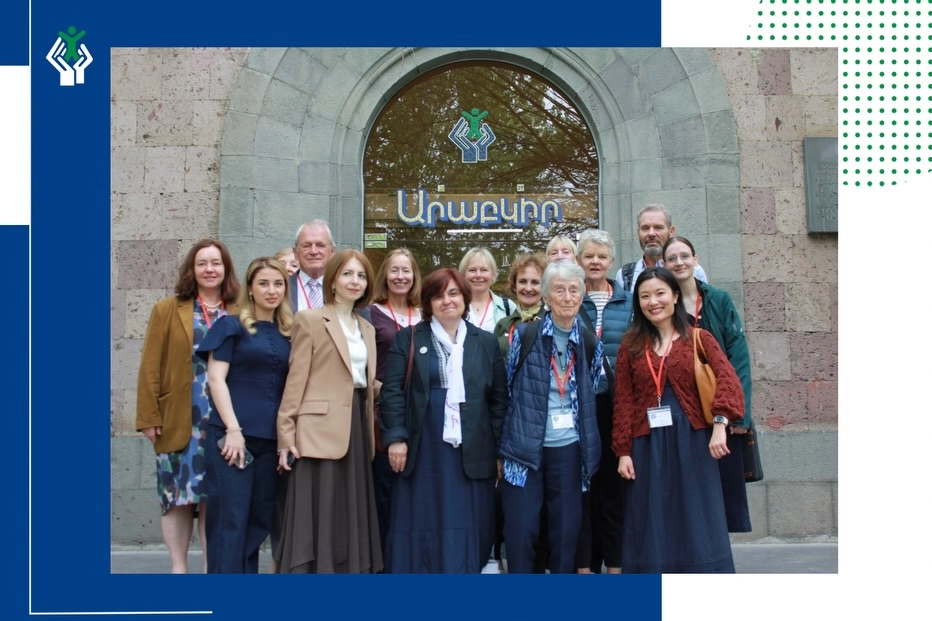
Ensuring continuity of medical care, especially for children with chronic diseases after the age of 18y.o., is one of the important challenges of healthcare. The work carried out in this direction in the field of gastroenterology in Armenia is ongoing, due to the joining of the Pediatric Gastroenterology service of «Arabkir» MC - ICAH to the «Health Care Transition» Campaign launched by ESPAGHAN (European Society of Pediatric Gastroenterology, Hepatology and Nutrition) since October 2025. Let us recall that in October 2025, the Pediatric Gastroenterology Section was established under the Armenian Pediatric Association, which unites 17 pediatric gastroenterologists, endoscopists and hepatologists of the republic. In December 2025, the Pediatric Gastroenterology Section of the Armenian Pediatric Association organized the first meeting of gastroenterologists from the four pediatric and five adult tertiary care Medical Centers at the «Arabkir» MC - ICAH, during which the professional resources of the ESPGHAN above-mentioned campaign, translated into Armenian, were presented, discussed, and disseminated. The «Health Care Transition» Campaign launched by ESPGHAN continued in February and March of 2026. One of the key achievements of the Campaign is the cooperation that has begun between pediatric and adult gastroenterologists. In February and March, the presentations, discussions, and dissemination of ESPGHAN resources (in printed and electronic versions) continued in the gastroenterology departments of various medical centers and clinics in Yerevan, involving a wider professional network (about 55 people).Currently, the Campaign in Armenia faces certain objective difficulties, as the dispensary (follow-up) care / medical supervision of adult patients with chronic gatroenterological and hepatological diseases still needs to be regulated. The activity, interest and numerous positive responses and feedback from doctors prove that the «Health Care Transition» Campaign in Armenia is relevant and needs further development.
Yerevan to Host a Conference on Clinical Neurology
08 April
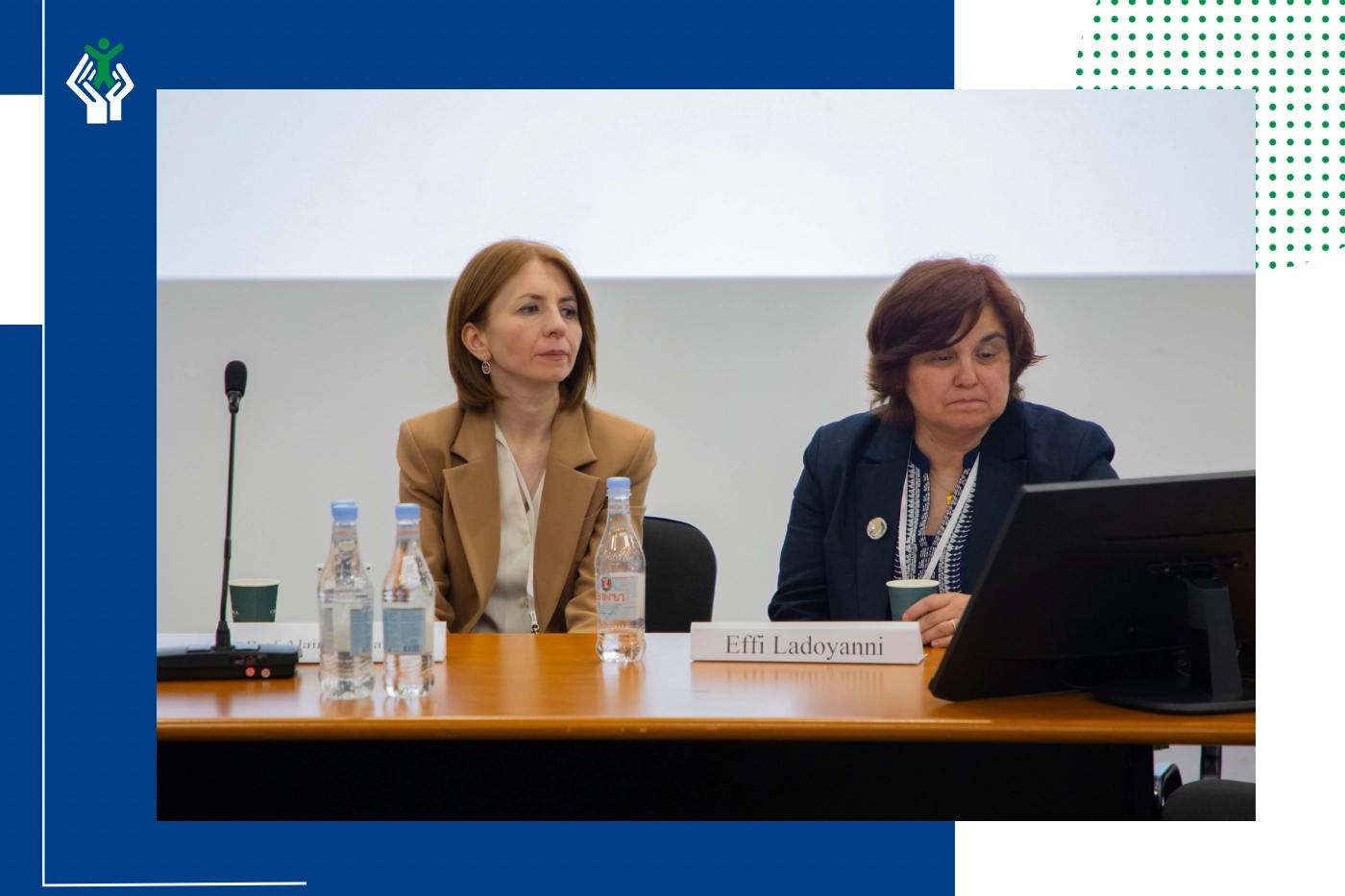
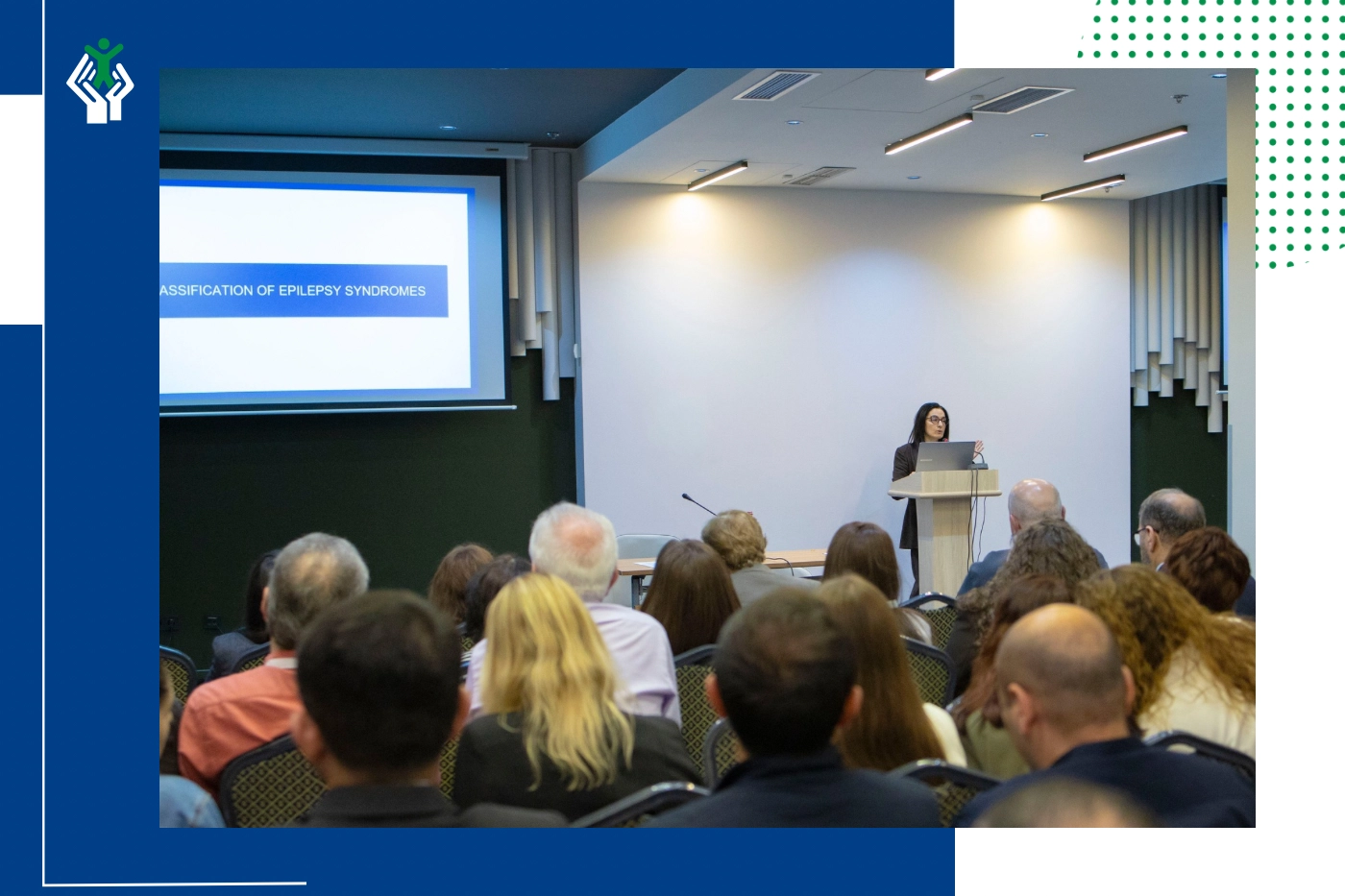
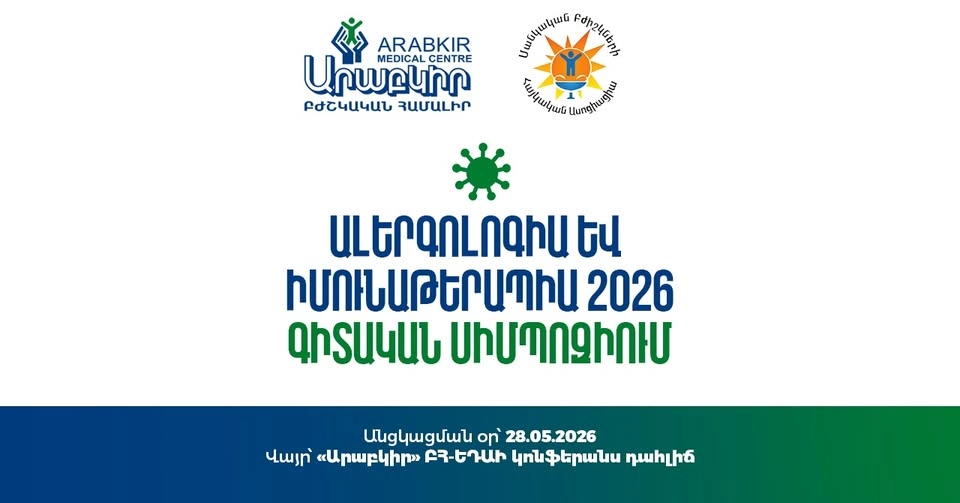
The 4th Annual Conference on Clinical Neurology, named after Edgar Hovsepyan, will bring together neurologists, neurosurgeons, and leading specialists in the fields of anesthesiology and radiology from different countries in Yerevan, Armenia. A number of important topics will be discussed during the conference, including: Modern approaches to the treatment of Epilepsy Clinical and diagnostic perspectives The role of Electroencephalography in the diagnosis of epilepsy Therapeutic advances Challenges in identifying epileptic foci in the preoperative period Determining the appropriate time to discontinue drug therapy in the postoperative periodAdditional issues related to the conference topic will also be addressed.CME credits will be awarded to participants. The participation fee is 25,000 AMD. Registration will open soon. The conference will take place on May 21–22, 2026, from 08:30 to 18:00, in the “Tushpa” Hall of the Holiday Inn Yerevan - Republic Square. Arabkir Medical Center — A Reliable Partner in Health
April 7 Is World Health Day
07 April
World Health Day is dedicated to raising awareness of the most important global health issues and uniting efforts to address them. In 2026, the day is marked under the theme: “Together for health. Stand with science”. On April 7, 1948, the World Health Organization (WHO) was founded. Two years later, in 1950, April 7 was officially declared World Health Day in honor of the establishment of the WHO. It should be noted that Armenia has been a member of the WHO since 1994. In 2024, Arabkir Medical Center – Institute of Child and Adolescent Health was granted the status of a WHO Collaborating Centre. This status is mainly awarded to research institutes, universities, and academic departments that work with the WHO in various areas of the health sector. Arabkir Medical Center: A Reliable Partner in Health
International Conference on Neuromuscular Diseases Held in Tbilisi
03 April
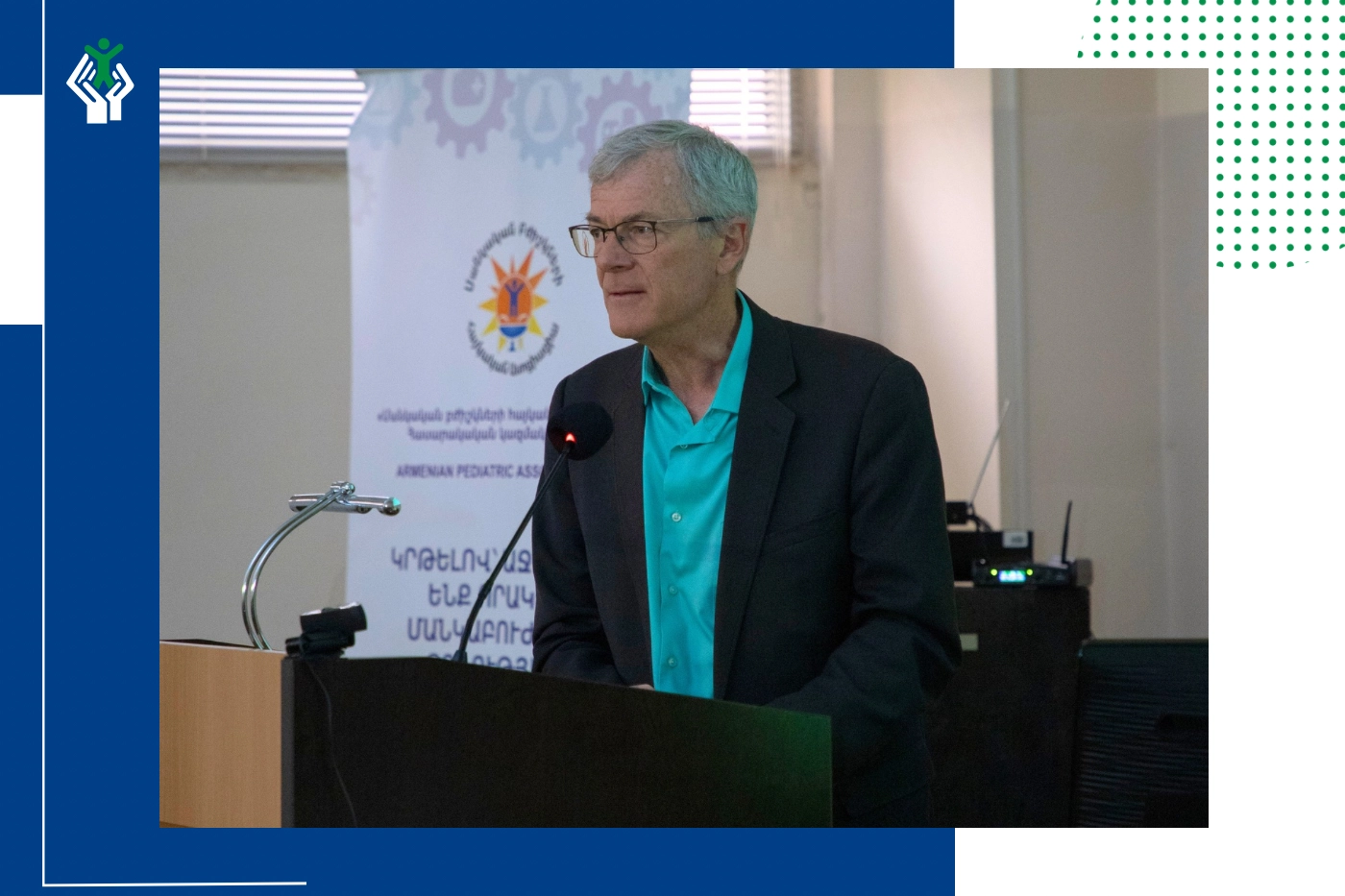
An international conference dedicated to neuromuscular diseases was held in Tbilisi. The conference addressed approaches to the management of patients with Duchenne muscular dystrophy and Spinal muscular atrophy, as well as modern treatment options. Neurologists from Armenia, Serbia, Bulgaria, Lithuania, Romania, Kazakhstan, and Russia participated in the conference. Biayna Sukhudyan, Head of the Neurology and Epileptology Service at Arabkir Medical Center, delivered a presentation on the genetic basis and mechanisms underlying spinal muscular atrophy. International exchange of experience and professional cooperation are of great importance for the development of the field and for improving the effectiveness of treatment. Arabkir Medical Center – A Reliable Partner in Health
Pneumonia Is a Common Diagnosis in Childhood
01 April
Meri Marandyan, pediatrician at Arabkir Medical Center, spoke about the causes, types, symptoms, and other aspects of pneumonia during the "Eghir Aroghj (Be Healthy)" project of the Public TV company of Armenia.Arabkir Medical Center: A Reliable Partner in Health
Information on Universal Health Insurance
01 April
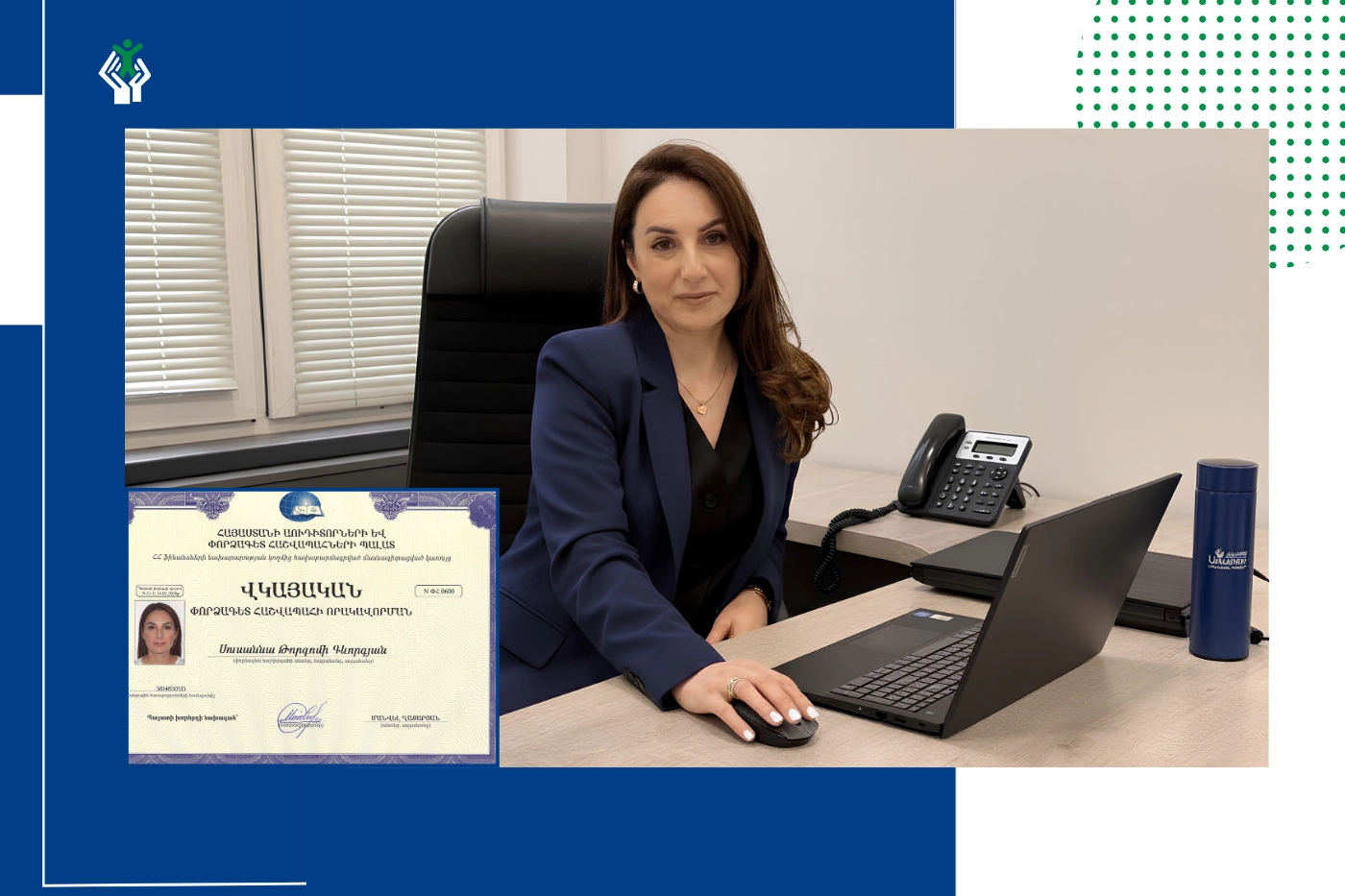
Since January 1, 2026, more than 1.5 million people have become beneficiaries of universal health insurance. With the introduction of the new system, many citizens contact us with questions. Frequently asked questions are answered by Sona Hovhannisyan, Head of the Economic Service at Arabkir Medical Center.Can we receive medical care at Arabkir Medical Center within the framework of universal health insurance? Yes, you can. Arabkir Medical Center provides insured persons with both hospital services—including planned and emergency medical care and treatment, surgeries—as well as outpatient services, such as specialized consultations and laboratory and instrumental examinations. Where should I apply first to receive medical care within the framework of the program? The procedure is as follows: To receive services on a planned basis, it is necessary to apply to a primary health care unit (polyclinic) and obtain an appropriate referral. After that, the patient should visit the medical center in order to receive the service specified in the referral. In emergency cases, patients should apply directly to the hospital. Does the insurance program cover children? Yes. Universal health insurance covers RA citizens and residents in the following groups: Children under 18 years of age Persons aged 18–23 who have been left without parental care Persons under 26 years of age studying in full-time programs who have been left without parental care What should be done if the status of a universal health insurance beneficiary is not reflected in the ArMed system due to the absence of RA citizenship data? In such cases, it is recommended to contact the Universal Health Insurance Fund by calling the short number 8866 or by sending an email to [email protected]. The request should include the applicant’s signature and ID document, as well as the name, surname, patronymic, and date of birth. What specialized consultations are available within the framework of universal health insurance? Within the framework of universal health insurance, the following specialized consultations are available (for both children and adults): Neurologist Neurosurgeon, Allergist, Gastroenterologist, Rheumatologist, Orthopedist, Nephrologist, Urologist, General surgeon, Ophthalmologist, General Practitioner, Dermatologist Gynecologist, ENT specialist Pulmonologist Does the insurance also apply to children under dispensary supervision? Yes. Professional consultations, as well as the necessary laboratory and instrumental examinations provided to children under dispensary supervision, are also available within the framework of universal health insurance.