 English
 Հայերեն
 Русский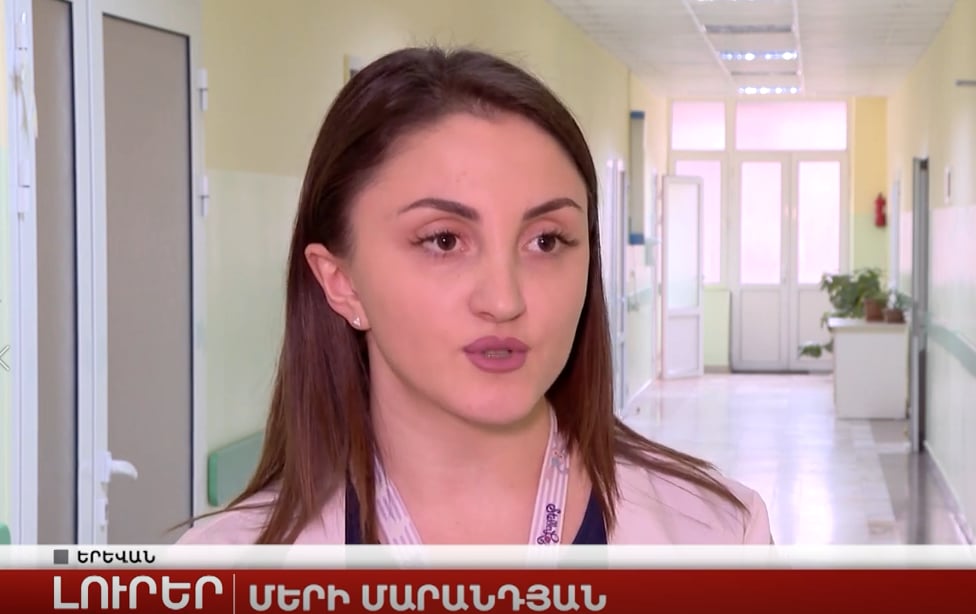
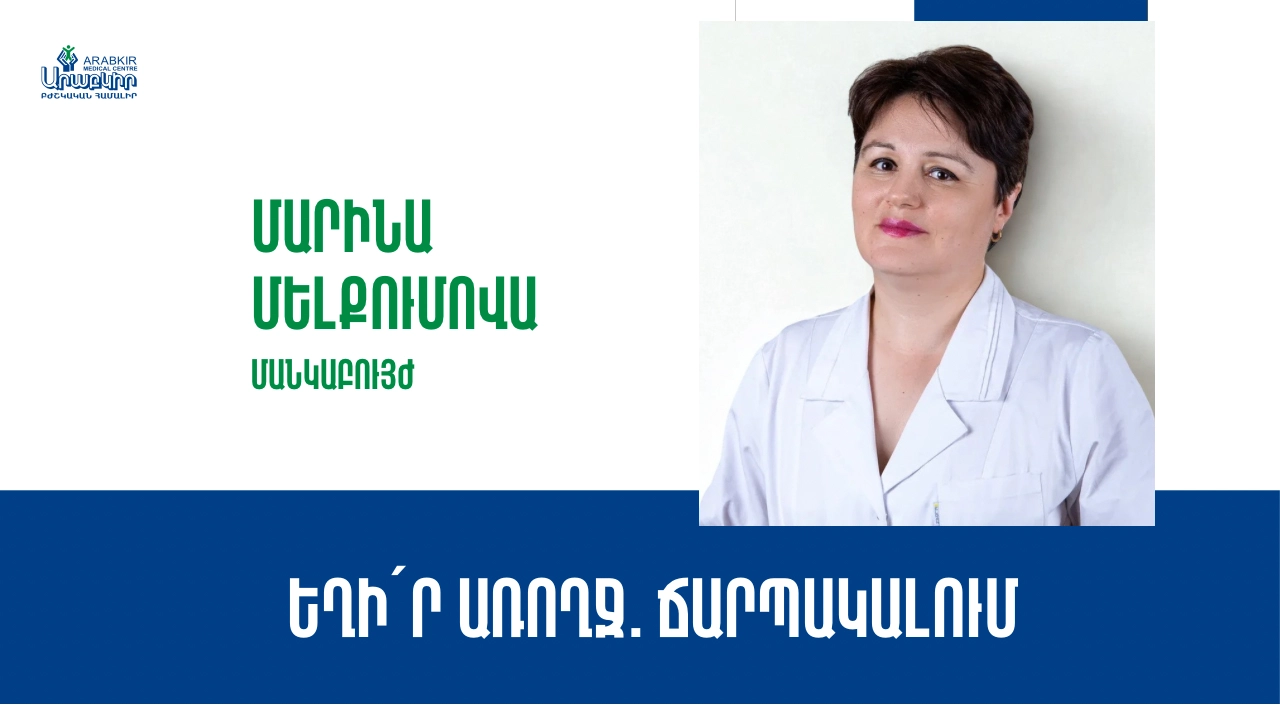
The subject of acute respiratory infections was addressed by Public TV. Meri Marandyan, a pediatrician from the Reception and Emergency Department at the “Arabkir” medical center, provided answers to inquiries.
Listen attentively, stay informed and learn to effectively manage such situations with the appropriate steps.
“Arabkir” Medical Center is currently experiencing a significant surge of visitors. The high activity in admissions is attributed to acute respiratory infections typical of the season.
Pediatrician Mary Mardanyan explains, “Most children are admitted already desaturated, exhibiting a bronchiolitis pattern, which is considered as 100% indication for admission to the hospital. This influx is due to the fact that a large percentage of cases involve babies who are oxygen-dependent and require intensive monitoring in hospital conditions.”
The medical center receives almost 120-125 patients daily, with influenza types A and B being prevalent among children.
The doctor advises, “I recommend that all children exhibiting symptoms characteristic of the virus, their parents should, first of all, contact the local pediatrician. The pediatrician will assess the child's condition and, if necessary, provide a referral for the hospital treatment. This approach will reduce both hospital referrals and the primary care/hospital stay of those children who really need us.”
While October to May is considered the season for acute respiratory infections in Armenia, there has been a noticeable increase in morbidity in recent days.
Romella Abovyan, head of the Department of Epidemiology of Infectious and Non-Infectious Diseases at the National Center of Disease Control of the Ministry of Health of the Republic of Armenia, states, “We are observing cases of influenza A with all its subtypes, circulating influenza B, and other respiratory viral infections such as parainfluenza, adenovirus, respiratory-syncytial (RS) virus, rhinovirus. Additionally, there are recorded cases of co-infections, where a person has multiple viruses simultaneously, like adenovirus with rhinovirus. This naturally complicates the clinical course further. As of the 8th January, we have recorded 1,547 cases in primary care, with 1,105 cases among 0-18-year-olds, constituting 71% of the total cases”.
In other words, compared to the previous day, the number of admissions increased by 1.8 times, compared to the same day last year, it rose by 4.9 times. Daily analysis revealed an increase in both emergency calls and hospitalizations.
Mrs. Abovyan reports, “There were 216 calls, of which 61 were among 0-18-year-olds, constituting 36% of total cases. Additionally, 24 emergency calls for pneumonia were registered, with 3 among 0-18-year-olds.”
As of January 8, 749 patients were hospitalized, marking an increase of 170 from the previous day. Abovyan attributes the sharp increase to people not seeking medical care during weekends.
Romella Abovyan emphasizes, “The Ministry of Health urges people to get vaccinated against the flu. This helps to make the disease easier to bear even if infected, and it’s important to avoid crowded places.”
In case of symptoms, avoid sending children to school and preschool, and consider wearing masks.