 English
 Հայերեն
 Русский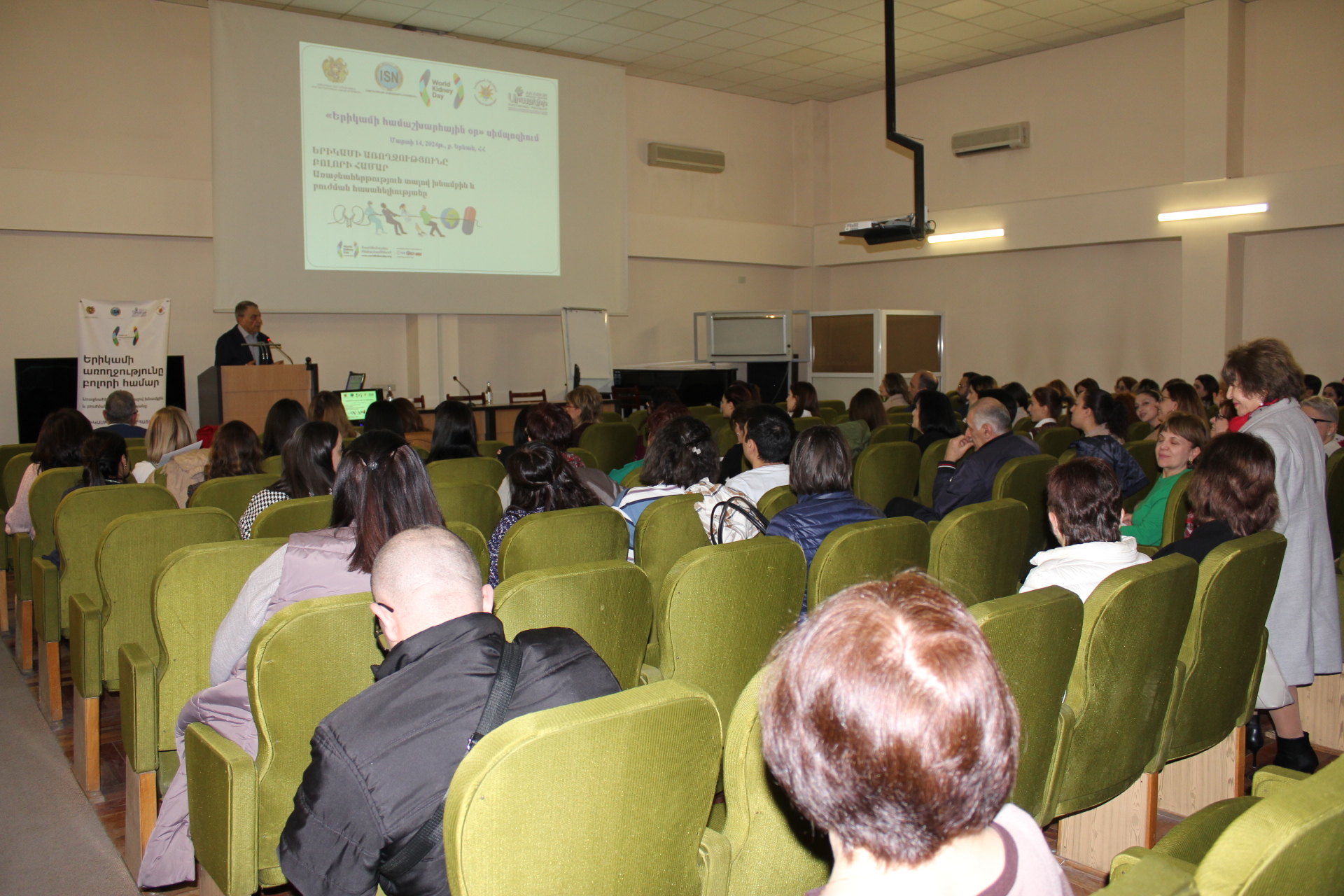
News.am reports on the symposium held to mark World Kidney Day, an event chosen in the medical calendar primarily to raise public awareness and discuss diseases and their prevention. The speeches at the symposium were predominantly professional yet informative.
https://med.news.am/.../erikamayin-anbavararutyunn-aylevs...
#WorldKidneyDay #ArabkirMC
Kidney failure is no longer considered a death sentence. What treatment methods are available in Armenia today, and what advancements can we expect in the future?
Just 50 years ago, kidney failure, along with most other kidney diseases, was often perceived as a terminal condition. However, today, patients with these diseases in Armenia are focusing not on life expectancy, but on improving their quality of life and selecting the most suitable treatment for their specific circumstances.
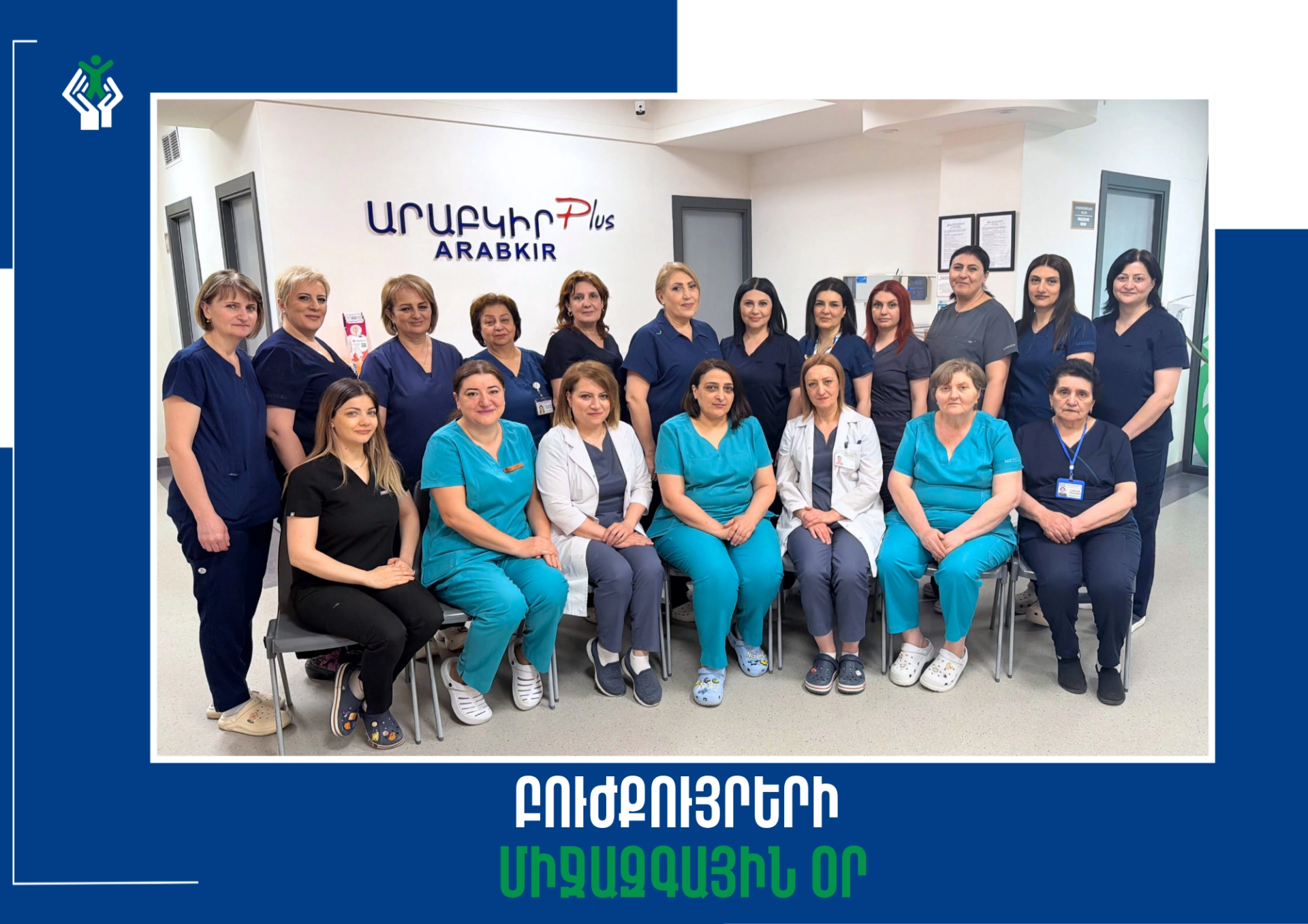
The development of nephrology and onco-nephrology in Armenia, introduction of advanced treatment methods of kidney diseases, including transplantation. All these topics were discussed during a symposium organized at the “Arabkir” Medical Center - Institute of Children and Adolescent Health in honor of World Kidney Day, a global event celebrated since 2006.
Professor Ashot Sargsyan, the Head of the Nephrology, Hemodialysis and Kidney Transplantation Clinic at the “Arabkir” Medical Center, highlighted to NEWS.am Medicine that the purpose of World Kidney Day is to raise awareness about kidney diseases, which are increasingly prevalent worldwide. The symposium focused on addressing the most pressing issues currently faced in Armenia concerning kidney health.
Nephrology in Armenia: Progressing from a “life sentence” to Hemodialysis Implementation
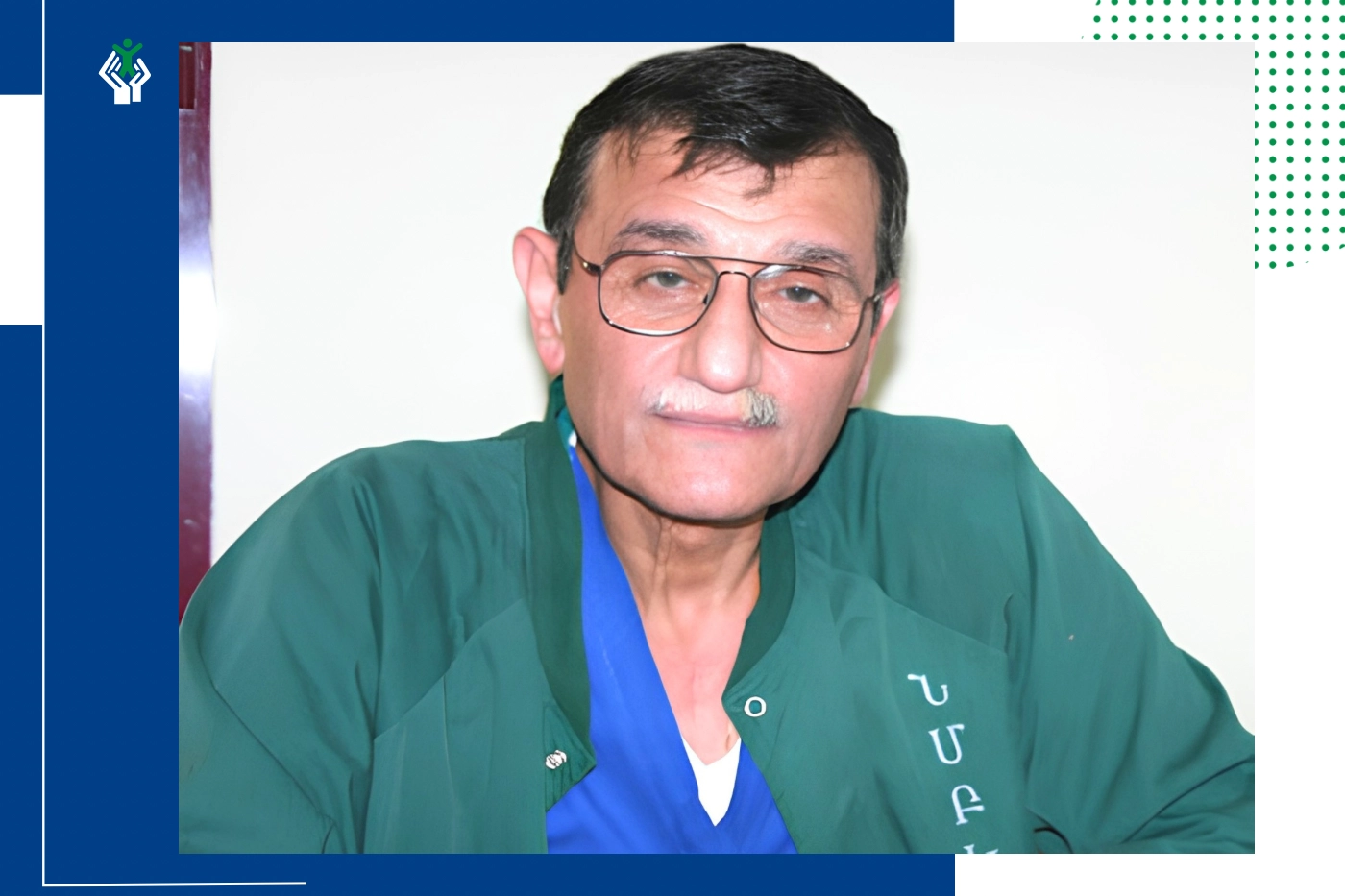
Pediatric urologist-surgeon, Doctor of Medical Sciences and Professor Ara Babloyan shared with NEWS.am Medicine that in the 1960s and 1970s, it was commonly believed that individuals with kidney failure faced an unpromising future. Unfortunately, during those years, this belief was not unfounded, as there were limited options available for such patients in Armenia.
The severity of the situation became evident following the 1988 Spitak earthquake, where many survivors tragically died due to the lack of hemodialysis equipment.
As explained by Dr. Helen Nazaryan, Head of the Hemodialysis and Kidney Transplant Department, some survivors who were trapped under rubble for extended periods developed a condition known as “Crash syndrome”, characterized by acute kidney failure. For these individuals, continuous hemodialysis treatment, sometimes lasting up to 40 days, was crucial for recovery and future quality of life. Without dialysis, survival was unlikely.
Regrettably, this was the fate for many earthquake victims. Despite international aid efforts, there remained a shortage of dialysis machines.
Following the earthquake, hemodialysis machines were introduced in Armenia, as explained by Dr. Nazaryan. Specialized departments were established in various hospitals, and medical personnel received training. Today, there are 16 hemodialysis departments across the country, all equipped with state-of-the-art facilities.
Transplantation: New Hope and Improved Quality of Life
While hemodialysis can rescue individuals from potential death in cases of kidney failure, undergoing this procedure three times a week for 15-20 years can pose certain challenges and adversely affect their quality of life. Dr. Nazaryan also noted that for pediatric patients, persistent dialysis can slow down their growth and development. For such individuals, a kidney transplant offers a solution, promising a fuller life.
According to Professor Babloyan, the first kidney transplant surgeries in Armenia date back to the 1970s.Initially sporadic, these operations became more frequent after 1991. By 1994, approximately 20 kidney transplants from deceased donors had been conducted in Armenia, with organs often procured from Leningrad (now Saint Petersburg), as Dr. Nazaryan recalled.
Following the dissolution of the Soviet Union, the country encountered certain challenges, resulting in a hiatus in transplant surgeries for several years. However, in 1999, Professor Babloyan successfully performed two more transplants. Subsequently, with the enactment of the Organ Transplantation Law in 2002, such procedures became more regular.
As highlighted by Helen Nazaryan, from 2002 to the present, Armenia has witnessed 245 kidney transplants from living donors, offering renewed hope and improved quality of life for recipients.
Next steps: Cadaver Donors and Artificials Organs
Currently, up to 22 kidney transplants are performed annually in the republic. However, there is a much larger number of hemodialysis patients who require transplants, currently estimated at about 1,200.
For many of these patients, suitable donors cannot be found. However, the development of cadaver donation in the country could significantly improve the lives of at least some of these patients.
As mentioned by Dr. Nazaryan, there are currently no legal obstacles to cadaveric organ and tissue donation in Armenia, but there are some challenges related to the mindset of both the population and medical staff. Overcoming these obstacles and initiating organ transplantation from brain-dead individuals could potentially save the lives of many patients with serious kidney disease.
According to Ashot Sargsyan, addressing certain issues related to transplantation from both living and cadaver donors in the near future is desirable. Primarily, this includes addressing the issue of organ rejection, where the recipient's body rejects the transplanted organ. To prevent this, immunosuppressants are currently used, which unfortunately come with numerous unwanted side effects.
If a solution can be found, perhaps through genetic engineering or other methods, to make the recipient's body tolerant to the transplanted organ, eliminating the need for immunosuppression, it would mark a significant advancement in kidney disease treatment. Efforts in this direction are already underway, with many doctors and patients worldwide eagerly awaiting the results.
However, experts remain uncertain about the timeline for the development of artificial or 3D-printed organs for transplantation. According to Dr. Sargsyan, the kidney is a highly complex and “smart” organ, making it challenging to create an artificial replica. While he does not discount the possibility for the future, it remains uncertain. Additionally, xenotransplantation, the transplantation of organs from animals, may become a possibility in the near future, but significant scientific advancement would be required to achieve this.