 English
 Հայերեն
 Русский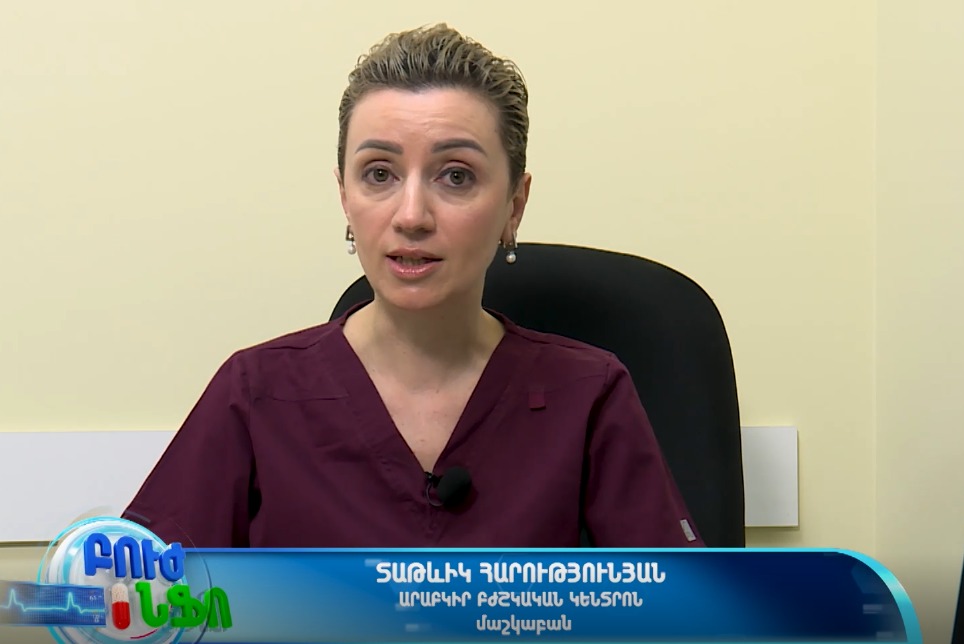
Learn more about viral skin infections—specifically molluscum contagiosum and warts. This time, Tatevik Harutyunyan, a dermatologist at Arabkir Medical Center, is featured on the “Advice from a Specialist” segment of the Buzhinfo program on Shant TV.
-
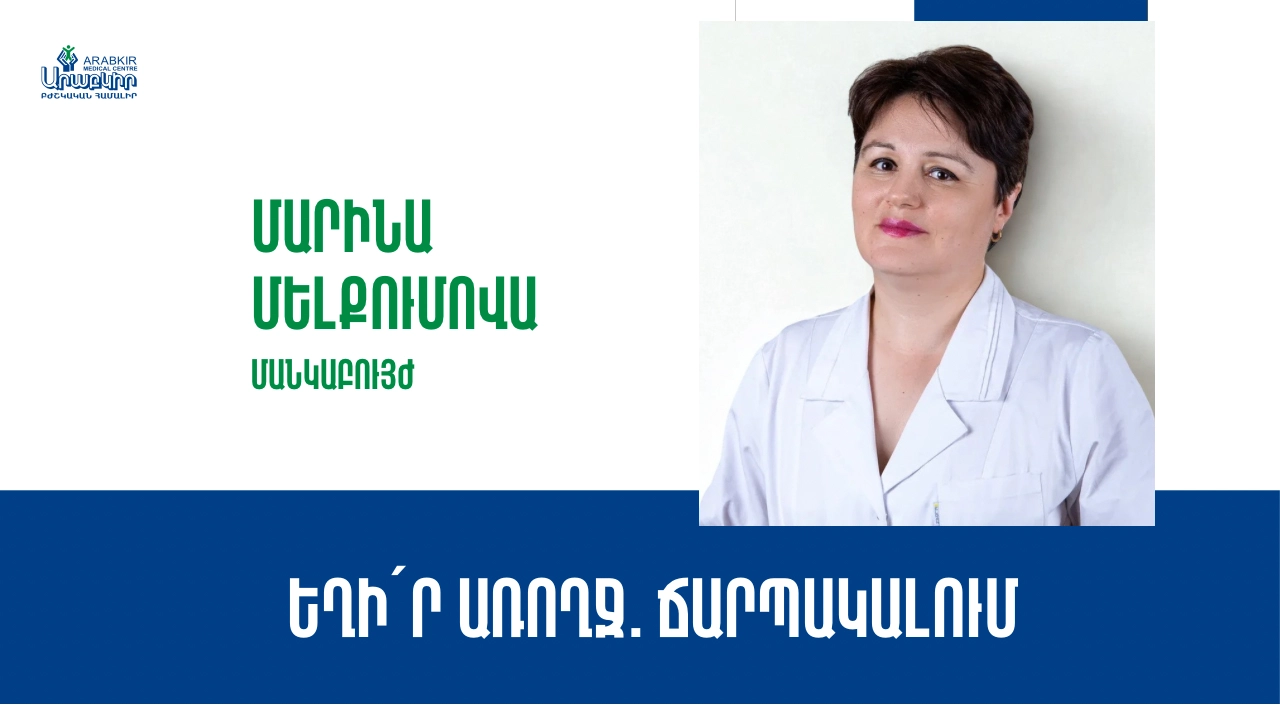
Hello, I am Dr. Tatevik Harutyunyan, a pediatric dermatologist working at the “Arabkir” Medical Center in the Dermatology department. Today, I want to talk about viral skin infections that occur in children. We can divide these infections into two large groups. The first group includes those commonly called childhood infectious exanthemas, such as chickenpox, measles, and parvovirus infection, which is currently very common. The second group consists of infections that affect only the skin, with molluscum contagiosum and warts being the most common in childhood. Almost all pediatric dermatologists encounter these issues daily, and it can often be challenging to explain treatment instructions to parents.
Let’s start with molluscum contagiosum. This condition appears as small pink or whitish nodules located on various areas of the skin, mainly in exposed areas. Molluscum contagiosum is caused by a virus that spreads through contact. Transmission often occurs in group settings, such as kindergartens, swimming pools, or other collectives. The infection can also spread through autoinoculation, since the contents of the nodules are contagious. A child may scratch or tear the nodules, spreading the virus to surrounding skin. Additionally, hygiene items such as towels and combs can also serve as sources of infection.
Regarding treatment, international guidelines often suggest that molluscum contagiosum does not require active treatment and can resolve on its own. However, the challenge lies in the duration: unlike other infections that resolve within days, molluscum may take from six months to two years to clear. This is problematic because children often attend group activities during this time and can spread the infection to others. The nodules can also become inflamed and itchy, especially in children with dry or atopic skin who are more susceptible to this virus. For these reasons, treatment is sometimes necessary.
The most common treatment is mechanical removal, which is performed under local anesthesia using a needle. Another option is topical medication, but this can be inconvenient for parents as it requires regular application at home and close monitoring. Other treatments like liquid nitrogen, electrocoagulation, and laser therapy are less commonly used in children because they may cause discomfort and leave scars.
Now, let’s talk about warts. Warts are caused by the human papillomavirus (HPV) and can appear in various forms. Based on their appearance, we classify them as plantar warts, common warts, mosaic warts, filiform warts. Despite their different looks, all warts are viral growths. The infection spreads through close contact, autoinoculation, and sharing personal hygiene items. Similar to molluscum contagiosum, dermatologists usually diagnose warts based on clinical examination alone. Sometimes, to distinguish warts from other skin growths, a dermatologist may use a device called a dermatoscope, which helps identify the wart clearly.
The gold standard treatment for warts is cryosurgery, which involves applying liquid nitrogen to the wart. This causes controlled tissue destruction, leading to blister formation and eventual wart disappearance. For both warts and molluscum, international guidelines do not recommend immunostimulant treatments such as suppositories or tablets, which are often prescribed but lack evidence. Since these growths are external and exophytic, removal by destructive methods is the recommended approach.
Individual susceptibility plays an important role, as some children in groups may frequently develop warts while others never do. Prevention focuses on good hand hygiene and not sharing personal hygiene items—even among family members if someone has warts. Additional risk factors include nail-biting, self-injury, and attempts at self-treatment using unproven methods.
For these reasons, I strongly recommend consulting a dermatologist if your child has warts or similar skin issues. A correct diagnosis and tailored treatment plan will ensure the best care.