Main
News
Nursing and Therapists Excellence Center

Nursing and Therapists Excellence Center

On the occasion of Nurses' Day, we highlight the programs of the Center for Excellence in Nursing and Therapy․
 

The professional nursing team at the "Arabkir" Medical Center—one of the largest in the country—is committed to continuous professional development. They not only undergo regular retraining but also train their colleagues, staying true to the principle that lifelong learning is essential in medical practice.
 

Watch the coverage by the Public TV Company’s News program. 

  •  “We perform chest compressions with two fingers — 100 to 120 compressions per minute.”

    With this reminder, the resuscitation instructor guides nurses through key steps to restore heart function in infants during emergency scenarios.

    This scene is part of a professional development course for staff from pediatric resuscitation, intensive care, and hemodialysis departments. The course is organized by the Nursing and Therapists Excellence Center, where continuous learning is prioritized in response to ongoing advances in medical practices and technologies.

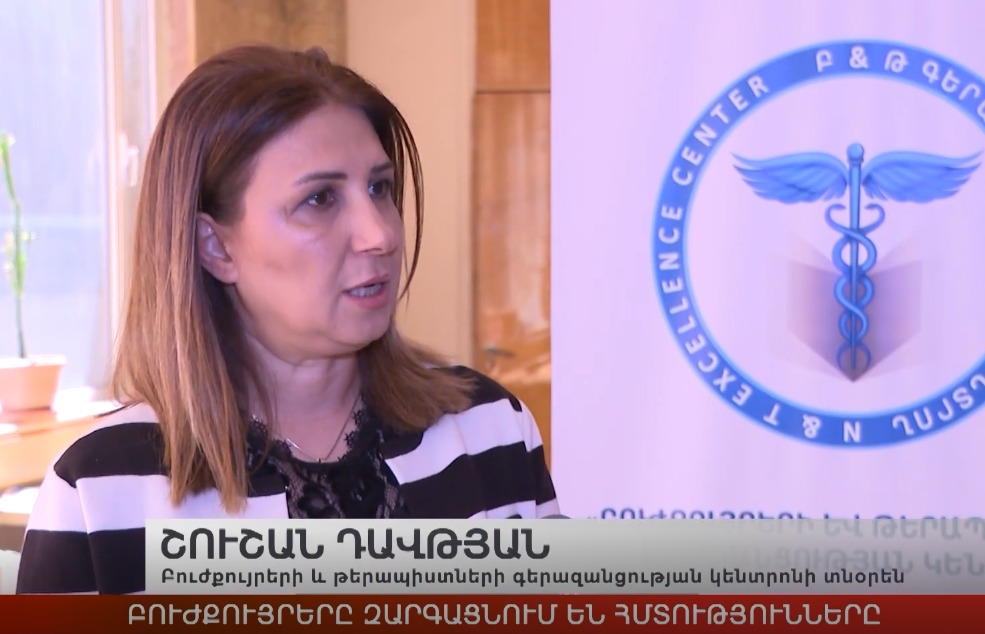
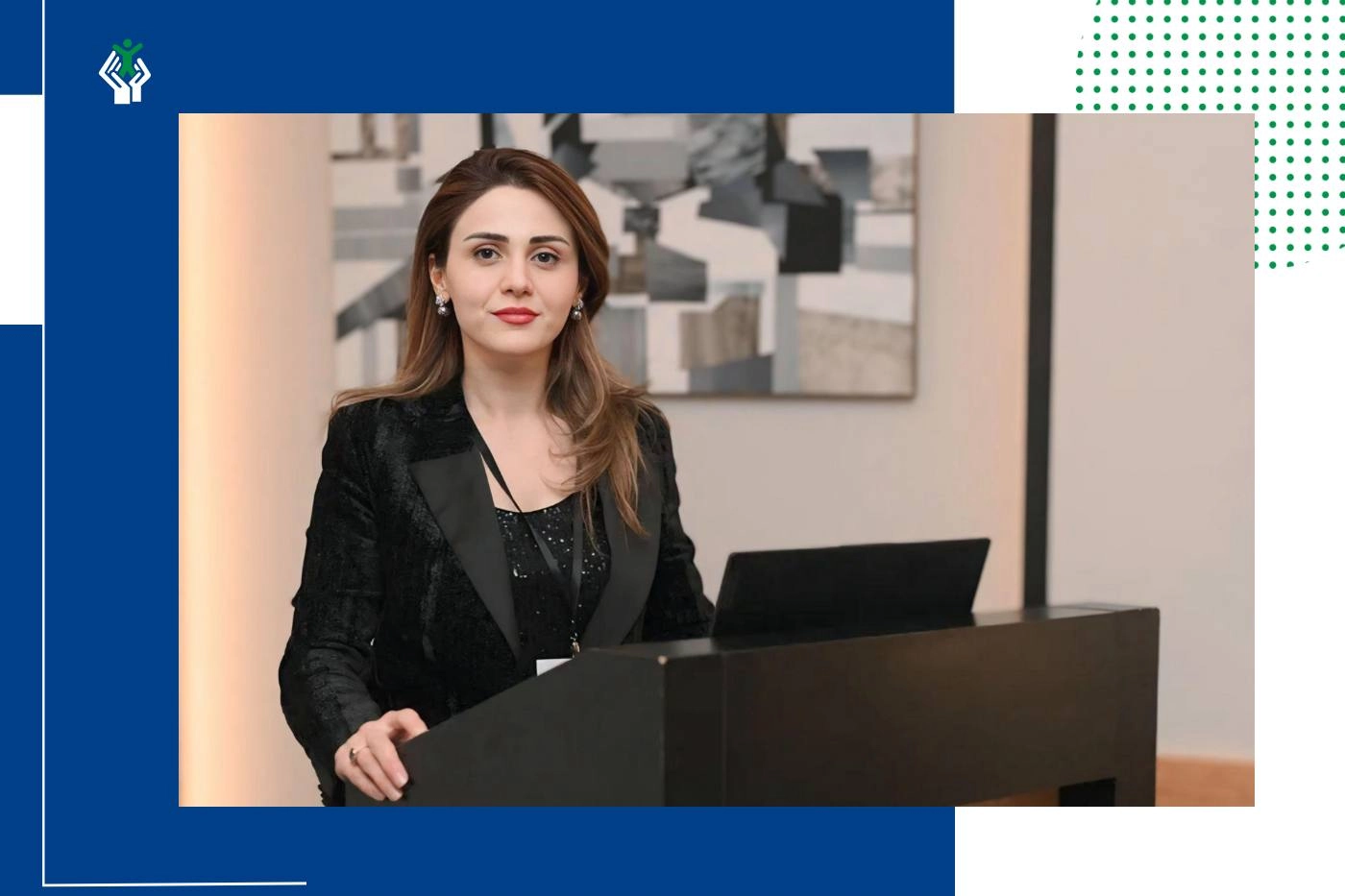
    Shushan Davtyan, Director of the Center, explains: “This is a continuing professional development course accredited by the Ministry of Health of the Republic of Armenia. Currently, around 45 nurses are participating in three different programs. We have attendees from various pediatric hospitals in Yerevan and the regions. The regional component is implemented with the support of the Fund for Armenian Relief.”

    These 24-day courses include both theoretical instruction and hands-on simulation-based training. The initiative was inspired by early collaboration with the Swiss Semra Foundation, which helped train the Arabkir Medical Center nursing staff years ago. That experience revealed the broader national need to challenge outdated views — that nurses are only responsible for administering injections or carrying out physicians' orders — and to highlight their central role in patient care.

    Naira Avetisyan, Chief Nurse at Arabkir Medical Center and Head of Programs at the Center, highlights: “These courses are also designed to strengthen interdisciplinary collaboration, reinforce professional ethics, and — most importantly — emphasize the autonomous role of the nurse.”

    Among the current group are nurses from Talin, Spitak, and Vayots Dzor, who were sent by their hospitals. Others, working in clinics across Yerevan, are attending on their own initiative to earn continuing education credits. Participants practice skills on mannequins in simulation labs and later apply them in real-life clinical situations.

    Lena Hovhannisyan, a nurse from the intensive care unit of Vayots Dzor Medical Center, shares: “I’ve been a nurse for 40 years, but I’ve only recently moved into intensive care. We’re learning cardiopulmonary resuscitation, how to work with monitors, defibrillators, and provide artificial respiration.”

    Luiza Chvchyan, a nurse from the neonatal resuscitation unit at Erebuni Medical Center, adds: “I’ve been working in neonatal resuscitation for about a year. I try to attend every seminar like this — it’s incredibly helpful.”

    Inside the simulation classroom, nurses are challenged to perform life-saving resuscitation techniques on patient models of different ages — a high-pressure but safe environment to build confidence and refine skills.

    Throughout the year, the Center will expand its offerings to include specialized trainings for anesthesia nurses, X-ray technicians, and others. It will also conduct periodic courses on emergency response procedures for cardiopulmonary insufficiency and short interventions requiring injections — ensuring that every healthcare professional remains ready to act when every second counts.
 

Last news
Ի՞նչ է էպիլեպսիան, և այսօր` մանուշակագույն օրը, հանրային իրազեկման ի՞նչ միջոցառումներ են իրականացվում
26 March
«Կենտրոն» հեռուստաընկերության «Լույս առավոտ» հաղորդման հյուրերն են «Արաբկիր» բժշկական համալիրի մեծահասակների նյարդաբան, նեյրոֆիզիոլոգ Լուսինե Վարդանյանը, «Կյանքի ճանապարհ» բարեգործական-հասարակական կազմակերպության հիմնադիր ու ղեկավար Ելենա Բաղդասարյանը և հոգեբանական աջակցության ծրագրերի ղեկավար Մարիամ Արզումանյանը:
Այսօր Մանուշակագույն օրն է
26 March
Այն նվիրված է էպիլեպսիայի վերաբերյալ իրազեկվածության բարձրացմանը: Գաղափարի հեղինակը իննամյա կանադացի մի աղջիկ է, ով, 2008 թվականին ունենալով այս ախտորոշումը, ցանկանում էր կոտրել հիվանդության վերաբերյալ հասարակության ընկալումները և աջակցել էպիլեպսիա ունեցող իր հասակակիցներին:Այսօր արդեն ամբողջ աշխարհում մարտի 26-ին շենքերն ու հրապարակները լուսավորվում են մանուշակագույնով՝ որպես համերաշխության խորհրդանիշ։
Էպիլեպսիան բուժվում է նաև վիրահատական միջամտության եղանակով
25 March
Վիրահատության ցուցումների և անեսթեզիոլոգիական առանձնահատկությունների մասին՝ «Լուրեր»-ի ռեպորտաժում:
Arabkir Medical Center Conducts Evacuation Training
23 March
Air alert: What to Do and What to Watch For Arabkir Medical Center conducted an evacuation training exercise aimed at improving staff preparedness and rapid response in the event of an air disaster.During the exercise, the medical staff acted in a coordinated and organized manner, ensuring the safety of patients throughout the evacuation process. Such training is essential for maintaining readiness and enabling medical personnel to respond quickly and effectively in emergency situations.
World Down Syndrome Day
21 March
Today is World Down Syndrome Day. Approximately one in every 700–800 newborns worldwide is born with Down syndrome, a genetic condition that affects a child’s development as well as certain physical and cognitive characteristics.World Down Syndrome Day was established by the World Health Organization in 2012 to raise awareness about the condition and promote the rights and inclusion of people with Down syndrome. Children with Down syndrome are often affectionately referred to as “sunshine children.” The ArBeS Health Center has been engaged for many years in the assessment and rehabilitation therapy of children with Down syndrome, providing specialized care and support.
“Our Goal Is to Provide Accessible and High-Quality Pediatric Medicine, Regardless of a Family’s Means,” Says Ara Babloyan
20 March
The pediatric healthcare system in Armenia is on the verge of significant changes: strengthening primary care, decentralizing services to the regions, introducing the latest medical technologies, and expanding international cooperation.In an interview with Armenpress, Ara Babloyan, pediatrician, Chairman of the Board of Directors, and Scientific Director of Arabkir Medical Center, discussed the sector’s development priorities, the Center’s achievements over the past year, and the challenges currently facing pediatric healthcare. — Mr. Babloyan, how would you assess the past year for the Center, and what were its most significant achievements?— Arabkir Medical Center is a dynamically developing institution, and our work should be viewed as a continuous process. We constantly review the functions we perform, striving to improve and further develop them, bringing our services to a higher level. Our activities have several main directions. The first is the provision of daily medical services, including pediatrics, pediatric surgery, otorhinolaryngology (ENT), orthopedics, and other specialties. These services form the foundation of the system. At the same time, we are actively developing highly specialized fields where we have achieved particularly strong results. In pediatric neurology and neurosurgery, for example, Arabkir has become a leader not only in Armenia but also in the region. We treat patients from abroad, especially from Central Asia, who come to our Center for effective care. The field of epilepsy is especially important for us. We currently have more than 4,000 patients under our care, which is a considerable number for Armenia. Treatment is primarily medication-based; however, when this approach proves ineffective, we turn to surgical methods. In this area, we have gone through several stages of development—from traditional open surgeries to the introduction of stereotactic techniques. These methods make it possible to identify the source of the problem within a few days and perform radiofrequency ablation without open surgery. Currently, we are also introducing deep brain stimulation, representing a new stage in the development of epilepsy treatment. Read the full interview on the Armenpress website.