 English
 Հայերեն
 Русский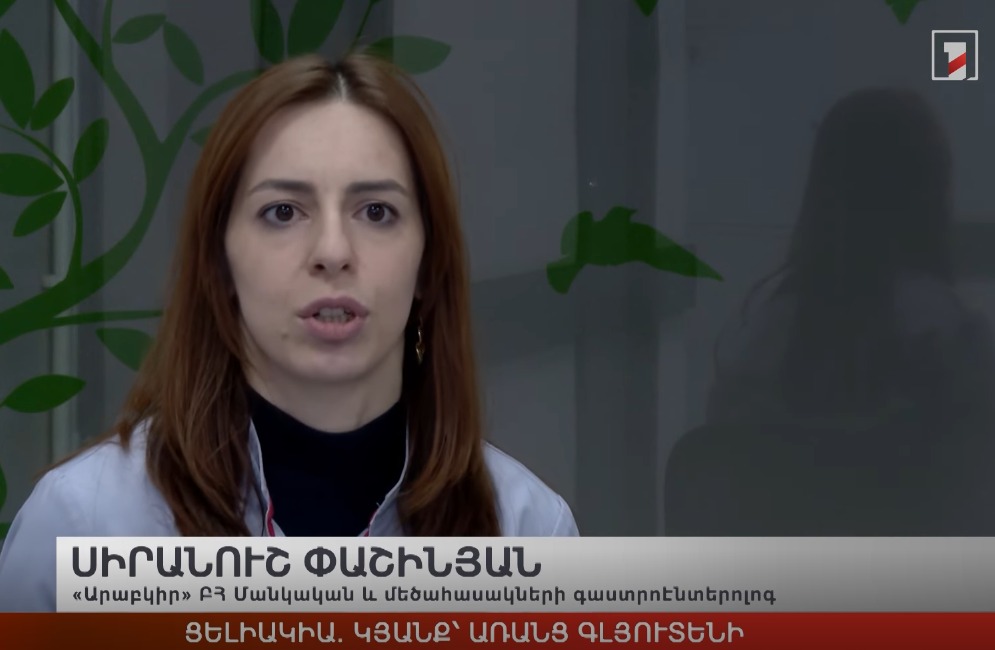
May 16 marks World Celiac Disease Awareness Day, dedicated to raising awareness about this chronic autoimmune condition.
Celiac disease develops due to the body’s immune response to gluten, a protein found in grains such as wheat, rye, and barley. This immune reaction leads to inflammation and damage in the small intestine, impairing nutrient absorption. The condition can be inherited or acquired, and while it may appear at any age, it often presents with:
🔹 Constipation or diarrhea
🔹 Bloating
🔹 Growth delay, short stature, and delayed puberty in children
At Arabkir Medical Center, celiac disease remains a key focus for the Gastroenterology Service, with over 100 children currently under supervision for this condition. As part of our commitment to advanced care, our specialists are also participating in the 57th Congress of the European Society for Paediatric Gastroenterology, Hepatology and Nutrition (ESPGHAN), where the latest developments in celiac disease management are being discussed.
Dr. Siranush Pashinyan, pediatric and adult gastroenterologist at Arabkir, shared her expertise in an interview with Public Television's “News” program:
- May 16 is World Celiac Disease Awareness Day. It is an immune disease diagnosed in people with a hereditary predisposition who consume foods containing gluten.
Siranush Pashinyan, a pediatric and adult gastroenterologist at the Arabkir Medical Center, says:
"Gluten is a protein found in certain types of grains—wheat, rye, and barley. Most often, people consume it through flour, which contains gluten. When gluten enters the body, the immune system reacts, resulting in chronic inflammation in the intestines. This leads to serious health problems."
The disease can manifest at any age, and the symptoms can vary.
Siranush Pashinyan continues: "Symptoms include constipation, diarrhea, recurring abdominal pain, and bloating. In older children, for example, growth retardation, short stature, delayed sexual maturation, bone damage, and increased bone fragility due to impaired nutrient absorption may occur. In some cases, the disease can be completely asymptomatic."
There are also non-digestive symptoms, such as hair loss and neurological issues. Some diseases can also be associated with celiac disease. So how is it diagnosed.
Siranush Pashinyan explains: "The first step is an immunological test called the tissue transglutaminase antibody test. A healthy person who does not have celiac disease is very unlikely to have elevated levels of these antibodies in the blood. A positive result is considered a clinical indicator. The next step is to take biopsies from the gastrointestinal tract."
The specialist also notes the primary method of treating celiac disease: maintaining a strict diet.
Siranush Pashinyan says: "The only treatment is a gluten-free diet. Gluten must be completely eliminated from the diet. If the patient has pronounced symptoms, positive changes are typically observed within 2–3 weeks."
In case of symptoms, self-medication should be avoided, and a doctor should be consulted.
Siranush Pashinyan adds: "Our medical center has a pediatric gastroenterology dispensary monitoring service, where children with chronic gastrointestinal diseases up to the age of 18 are monitored. More than 300 children are currently under supervision, over 100 of whom have been diagnosed with celiac disease."
These children are under continuous monitoring to ensure they follow a proper diet and are not deficient in essential vitamins.